
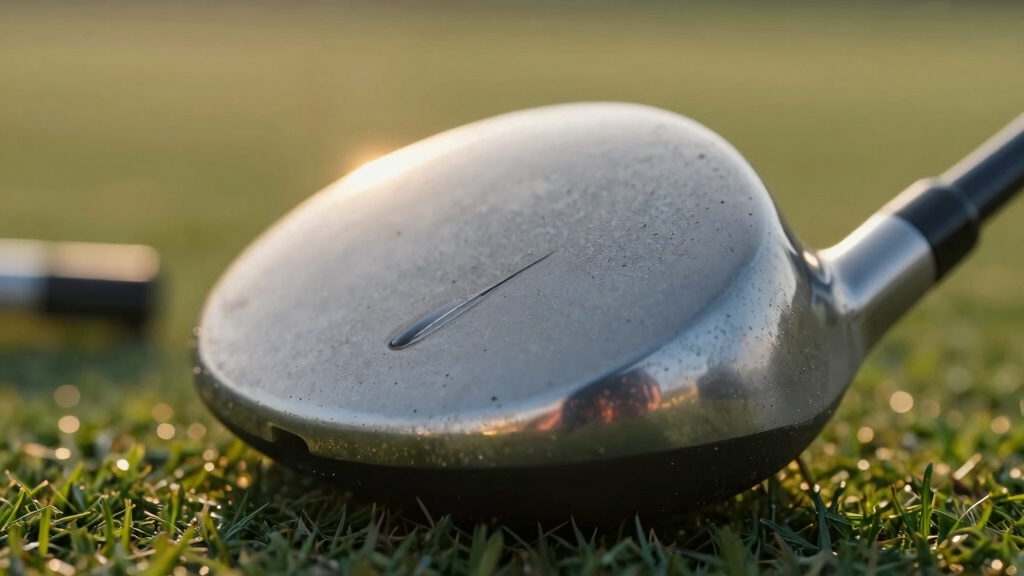
Yes, a dent in your driver affects its balance, center of gravity, and impact dynamics, which can reduce ball speed, accuracy, and driving distance.
Small face dents disrupt energy transfer. Larger sole dents change head positioning at address, impacting launch angle and consistency.
Material matters too: metal dents may be less detrimental, but carbon cracks require replacement.
Dent size and location are critical in determining playability and durability. Understanding these factors will clarify when repair or replacement is necessary.
- Key Takeaways
- How Dent Size Affects Driver Performance?
- Why Dent Location Matters for Your Shots?
- How Carbon vs. Metal Drivers Handle Dents?
- How Dents Impact Your Swing and Driving Distance?
- How Visible Dents Affect Confidence and Playability?
- Can You Fix a Dented Driver?
- When Should You Replace a Dented Driver?
- Frequently Asked Questions
- Small Damage, Big Impact: Protect Your Performance
Key Takeaways
- Small dents, especially dime-sized, generally do not noticeably affect driver distance, accuracy, or balance.
- Quarter-sized or larger dents can shift the center of gravity, altering ball flight, launch angle, and shot consistency.
- Dents on the driver face directly reduce ball speed and accuracy by disrupting the sweet spot and energy transfer.
- Carbon drivers with cracks require replacement, while metal drivers with dents often remain functional unless geometry is significantly altered.
- Inspecting shaft and clubhead integrity is crucial to determine if repair or replacement is needed for optimal performance.
How Dent Size Affects Driver Performance?
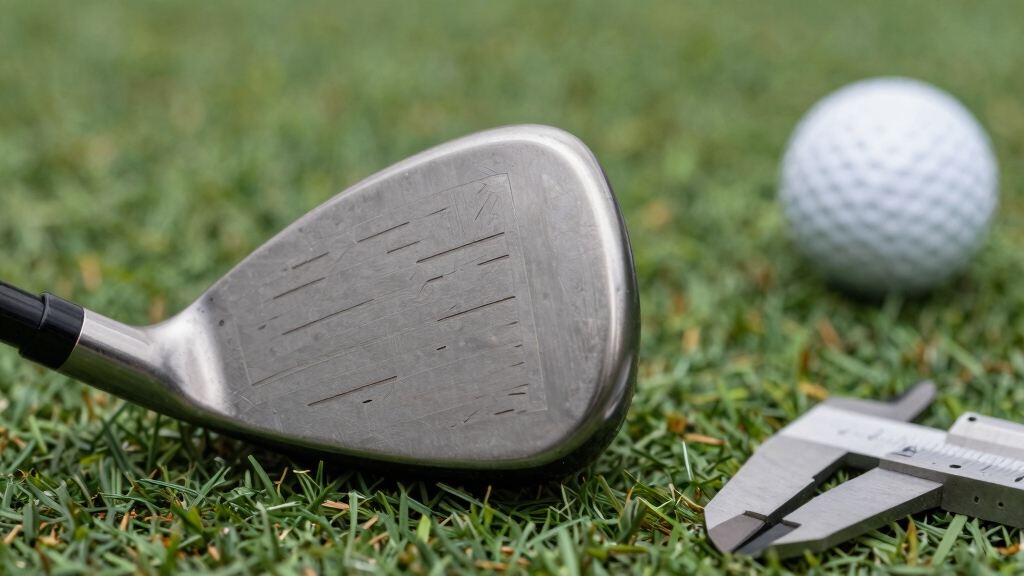
Understanding how dent size affects driver performance is essential for evaluating playability.
If you encounter a dime-sized dent, you won’t notice any change in your shot’s distance or accuracy. These small imperfections maintain the club’s original balance.
However, once a dent reaches about quarter size, it begins to alter the driver’s center of gravity. This can influence ball flight subtly.
Larger dents, especially on the sole, cause the clubhead to lay either open or closed at address. This impacts your swing path and contact consistency.
Fundamentally, the dent’s size directly determines the overall playability by shifting the club’s weight distribution and head positioning.
You should assess dent size carefully since it dictates whether your driver remains reliable or requires replacement.
If damage affects the shaft’s integrity or feel, considering shaft replacement may restore optimal performance.
Why Dent Location Matters for Your Shots?
When evaluating a dent’s impact on your shots, its location on the driver head plays a critical role.
Dents on the face directly disrupt ball contact, reducing distance and accuracy by altering the sweet spot and energy transfer.
Sole dents can shift the driver’s position at address, causing the head to lay open or closed. This affects launch angle and shot dispersion.
In contrast, dents on the crown typically have minimal aerodynamic or ball flight consequences, especially when small.
While small dents on the sole or crown rarely influence performance, any damage to the face guarantees disruption of tee shots.
Understanding these location-specific effects helps you assess whether a dent compromises your consistency or if it remains a cosmetic issue without functional impact.
Proper maintenance and regular inspection of clubheads can help identify dents early and prevent further damage to club performance.
How Carbon vs. Metal Drivers Handle Dents?
Although both carbon and metal drivers can sustain damage during play, they respond to dents in fundamentally different ways due to their distinct material properties.
Carbon drivers typically crack rather than dent, compromising structural integrity and necessitating full replacement. You can’t repair these cracks without risking further damage, so continued use is unsafe.
Metal drivers, however, deform by denting but remain functional, as their malleable surfaces absorb impact without immediate failure. These dents don’t usually affect performance unless they markedly alter the clubhead’s geometry or center of gravity.
While carbon’s lightweight nature enables faster swing speeds and increased ball speed, metal’s durability allows for minor cosmetic imperfections without critical performance loss.
Understanding these differences helps you decide when to replace versus continue using a damaged driver. For players with aggressive swings, maintaining shaft stability is also crucial to overall performance despite clubhead damage.
How Dents Impact Your Swing and Driving Distance?
Dents in your driver can throw off your swing mechanics and reduce driving distance by altering the clubhead’s balance and impact dynamics. Even small dents on the face can shift the center of gravity, leading to less efficient energy transfer at impact.
Dents in your driver disrupt balance and energy transfer, reducing swing efficiency and driving distance.
This imbalance can cause subtle changes in your swing path and clubhead speed, ultimately decreasing ball velocity and distance. Consider how dents affect your performance:
Quarter-sized dents can shift the clubhead’s balance, impacting launch angle and spin. Sole dents may cause the clubhead to lay open or closed at address, affecting swing consistency. Face dents directly reduce ball speed and accuracy due to compromised impact surface. Understanding the face-to-path relationship can help golfers diagnose how these imperfections influence ball flight and shot curvature.
How Visible Dents Affect Confidence and Playability?
The physical presence of visible dents can influence your mental approach and overall playability even if performance metrics remain unaffected.
While small dents, especially on the crown or sole, don’t alter ball flight or swing dynamics, their visibility may create a psychological barrier. This can undermine your confidence at address.
This distraction can subtly affect your pre-shot routine and focus, potentially impacting shot consistency. Although no measurable aerodynamic or mechanical changes occur, the visual imperfection can lead you to doubt your equipment’s reliability, causing hesitation.
Understanding that cosmetic damage doesn’t degrade playability helps maintain a composed mindset. Consequently, managing this psychological effect is vital for optimizing your performance. Your perception of the driver’s condition directly influences your execution and overall satisfaction on the course.
Additionally, maintaining a relaxed grip despite equipment imperfections can further enhance your comfort and control during your swing.
Can You Fix a Dented Driver?
When you come across a dent in your driver, you should know that fixing it without causing further damage is nearly impossible. Attempts to remove dents typically involve heating or specialized tools, which often worsen the structural integrity or surface finish.
Manufacturers generally avoid recommending repairs due to these risks. Instead, players are advised to continue using the club or consider replacement.
Visualize the challenge: heating the metal risks warping or cracking the head. Applying pressure can distort the driver’s original shape. Removing dents may alter the center of gravity, impacting performance.
Given these technical constraints and the USGA’s acceptance of damaged clubs, it’s clear that dent repair isn’t feasible without compromising your driver’s function or longevity. Additionally, precise measurements of club face angle and impact parameters are critical in performance analysis, which can be disrupted by any head damage like dents, as seen in club speed and face angle data tracking technologies.
When Should You Replace a Dented Driver?
Since repairing a dented driver risks further damage and altered performance, deciding when to replace your club becomes a key consideration.
If the dent is substantial—quarter-sized or larger on the sole or face, it can shift the center of gravity or cause the clubhead to lay open or closed. This can impair accuracy and distance.
Face dents particularly disrupt ball flight, warranting replacement.
Small, cosmetic dents, especially on the crown or sole, typically don’t affect playability, so replacement isn’t immediately necessary.
However, if your driver is carbon and cracked rather than dented, replacement is mandatory due to structural compromise.
Psychological factors matter; visible damage might affect your confidence, suggesting replacement.
Ultimately, replace your driver when dent size, location, or material damage materially impairs performance or confidence.
Additionally, the material composition of your driver can influence durability and performance, making it important to assess whether the dent has compromised the shaft or clubhead integrity.
Frequently Asked Questions
Are There Specific Brands More Prone to Driver Dents?
You’ll find that carbon drivers, favored for their lightweight and speed advantages, are more prone to cracks rather than dents. This makes them vulnerable to structural failure.
Metal drivers dent more easily but remain functional. Brand susceptibility depends on materials used; those focusing on carbon composites risk cracking over denting.
How Do Tournament Rules Regulate Dented Drivers?
Tournament rules generally allow you to use a dented driver as long as the damage doesn’t alter the club’s performance or create an unfair advantage.
The USGA permits play with damaged clubs but prohibits any modifications intended to repair or improve damaged areas during play.
However, if the dent materially affects the clubface or ball flight, officials might disallow it.
Always check specific event guidelines to guarantee compliance with their equipment standards.
Can Dented Drivers Affect Resale Value?
You’ll see resale values drop by up to 30% when drivers have visible dents, especially on the face or sole.
Even if performance remains unaffected, buyers perceive dents as damage, reducing demand.
Small crown dents impact value less, but face dents guarantee a price cut.
Since repairs aren’t feasible, the dent’s size and location directly influence depreciation.
Expect diminished offers, reflecting both cosmetic flaws and potential tournament restrictions.
Do Insurance Policies Cover Damaged Golf Clubs?
Yes, many insurance policies cover damaged golf clubs, but coverage varies based on policy type and provider.
You’ll want to check if your homeowner’s or renter’s insurance includes personal property protection or if you need a separate sports equipment policy.
They often cover loss, theft, or accidental damage, including dents.
Keep in mind deductibles and claim limits apply.
Documenting damage and providing purchase proof improves your claim’s success.
What Maintenance Prevents Dents on Drivers?
Think of your driver as a shield. Treat it with care to keep dents at bay.
Store it in a padded headcover and avoid clanking it against hard surfaces. Regularly inspect the clubhead for debris that could cause scratches or dents upon impact.
When transporting, secure the driver in a well-cushioned golf bag. These steps minimize impact forces, preserving the driver’s structural integrity and maintaining peak performance.
Small Damage, Big Impact: Protect Your Performance
When it comes to dents in your driver, size and location critically influence performance. Small dents off-center may be negligible, but larger or strategically placed ones can disrupt your swing and distance.
Carbon and metal heads respond differently to damage, affecting durability and feel. While minor dents can often be repaired, knowing when to replace your driver is key.
Remember, “a stitch in time saves nine.” Address dents promptly to maintain peak playability and confidence.