
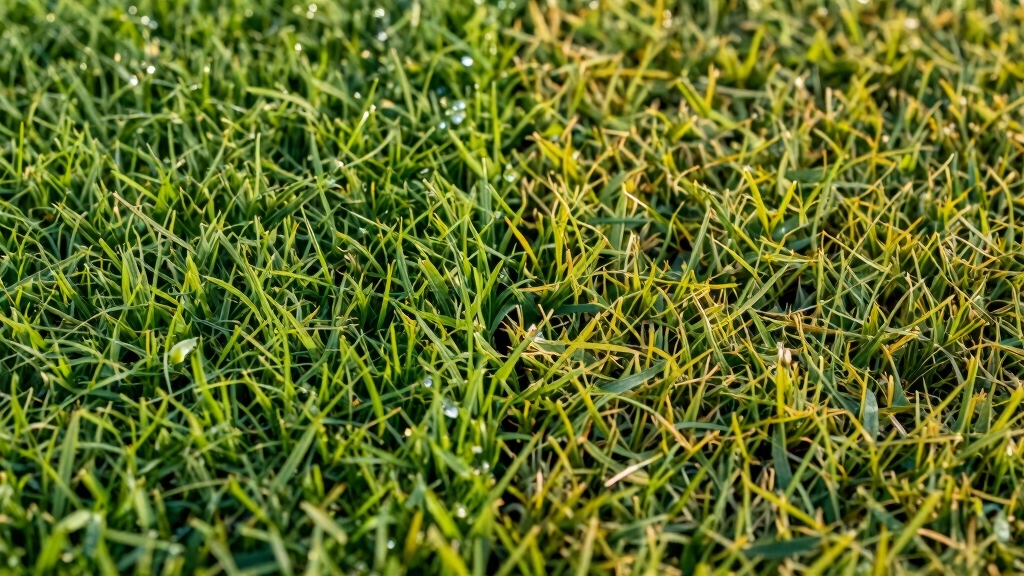
You’ll want bentgrass if you need a fine-textured, dense turf ideal for cool climates and precision putting greens. Bentgrass struggles with heat and requires frequent moisture and maintenance.
Bermuda grass, on the other hand, thrives in warm to hot conditions, tolerates heavy use, drought, and recovers quickly thanks to aggressive growth. It’s coarser but durable, suiting tees and fairways.
Understanding their climate and care needs helps you pick the best turf for your course’s performance and upkeep requirements.
- Key Takeaways
- Comparison Table for Bent Grass & Bermuda Grass
- Choosing Between Bentgrass and Bermuda Grass
- Climate Suitability of Bentgrass and Bermuda Grass
- Heat and Cold Effects on Bentgrass and Bermuda Growth
- Texture and Appearance Differences Between Bentgrass and Bermuda
- Durability and Traffic Tolerance of Bentgrass vs Bermuda
- Recovery and Regrowth After Damage in Bentgrass and Bermuda
- Maintenance Needs for Bentgrass and Bermuda Grass
- Putting Performance: Bentgrass vs Bermuda on Golf Courses
- Popular Varieties and Trends in Bentgrass and Bermuda Grass
- Frequently Asked Questions
- How Do Bentgrass and Bermuda Grass Impact Local Wildlife Habitats?
- Are Bentgrass or Bermuda Grass Better for Allergy Sufferers?
- What Are the Environmental Impacts of Fertilizers Used on Bentgrass and Bermuda?
- Can Bentgrass or Bermuda Grass Be Grown Indoors or in Greenhouses?
- How Do Bentgrass and Bermuda Grass Affect Soil Health Over Time?
- Making the Right Choice Between Bentgrass and Bermuda
Key Takeaways
- Bentgrass thrives in cooler climates with fine texture, ideal for smooth, low-mowed putting greens but is heat-sensitive.
- Bermuda grass excels in warm, sunny climates with coarse blades, superior wear tolerance, and rapid recovery from damage.
- Bentgrass requires higher maintenance, consistent moisture, and precise mowing, while Bermuda needs less water and fertilizer.
- Bermuda tolerates heavy foot traffic, drought, and recovers quickly; bentgrass struggles under heat and heavy use.
- Selection depends on climate, maintenance capacity, and turf use, balancing bentgrass quality with Bermuda’s durability and heat tolerance.
Comparison Table for Bent Grass & Bermuda Grass
| Feature | Bentgrass | Bermuda Grass |
|---|---|---|
| Best Climate | Cool and northern climates | Warm and southern climates |
| Temperature Preference | Prefers cooler temperatures | Thrives in 80–90°F heat |
| Texture | Fine, soft, and dense | Coarse, thick, and durable |
| Appearance | Smooth and uniform | Rugged and strong-looking |
| Growth Rate | Moderate growth | Fast and aggressive growth |
| Drought Tolerance | Low drought tolerance | Excellent drought resistance |
| Heat Tolerance | Struggles in extreme heat | Performs well in high heat |
| Cold Tolerance | Better cold tolerance | Vulnerable to winterkill |
| Traffic Tolerance | Moderate | High tolerance for heavy traffic |
| Recovery After Damage | Slower recovery | Rapid regrowth and recovery |
| Water Requirements | High moisture needs | Requires less water |
| Maintenance Level | High maintenance | Moderate maintenance |
| Fertilizer Needs | Frequent fertilization | Lower fertilizer demand |
| Mowing Height | Very low for putting greens | Moderate mowing heights |
| Golf Course Use | Putting greens | Fairways, tees, sports turf |
| Wear Resistance | Less durable under stress | Highly durable |
| Pest & Disease Management | Requires regular monitoring | Fewer pest issues overall |
| Establishment Speed | Slower establishment | Quick establishment via sod or sprigs |
| Best Feature | Smooth putting performance | Durability and heat tolerance |
| Main Drawback | Sensitive to heat and stress | Less refined putting surface |
Choosing Between Bentgrass and Bermuda Grass
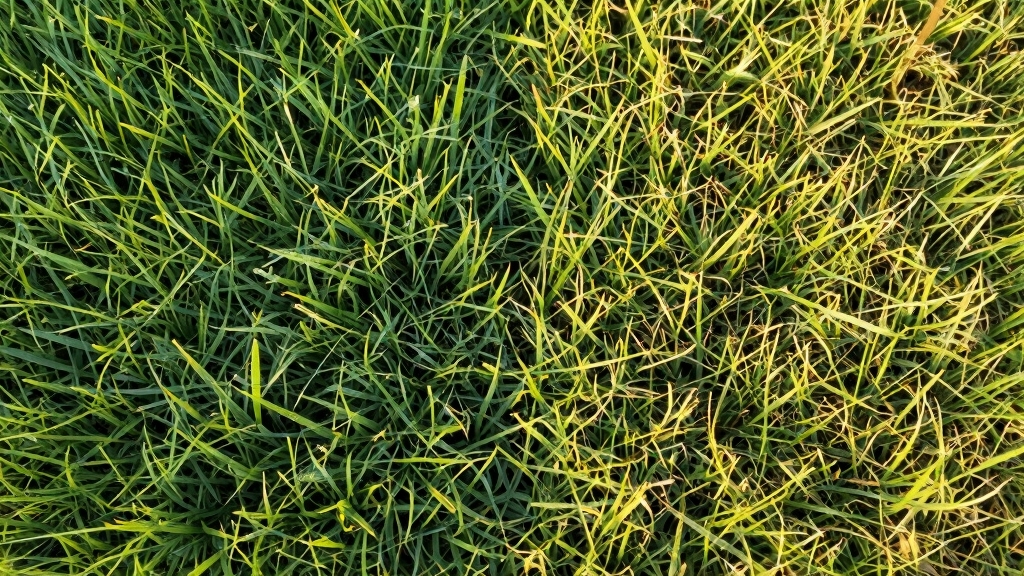
When choosing between bentgrass and Bermuda grass for your golf course or lawn, you’ll need to take into account the climate and maintenance demands carefully.
Selecting bentgrass or Bermuda grass requires careful consideration of climate and maintenance needs.
You’ll find bentgrass offers a fine texture and dense growth, creating a smooth putting surface at close mowing heights, ideal for precision play.
However, it requires consistent moisture, regular fertilization, and pest management, especially in warmer months.
Bermuda grass, with thicker blades and rapid growth, provides superior drought resistance and durability under heavy foot traffic, reducing maintenance costs.
It establishes quickly via sprigs or sod and recovers rapidly from damage.
Your choice hinges on balancing aesthetic quality and turf performance against maintenance intensity and environmental conditions to optimize turf health and playability throughout the season.
For golf courses, selecting the right grass type also relates closely to bag height and player needs, as course maintenance practices often consider equipment compatibility and ease of use.
Climate Suitability of Bentgrass and Bermuda Grass
Bentgrass really shines in cooler northern climates. However, it can struggle when the heat kicks in during late summer.
On the flip side, Bermuda grass absolutely loves the warm, sunny southern regions. It really grows best when temperatures are between 80 and 90 degrees Fahrenheit.
For indoor golf practice, selecting turf with UV-resistant fibers similar to those used in commercial mats can help maintain durability under varying environmental conditions.
Preferred Climate Zones
Although both bentgrass and Bermuda grass serve as popular turf options, their preferred climate zones differ markedly due to their distinct physiological traits.
You’ll find bentgrass thriving in cooler, northern climates, where it maintains density and quality without succumbing to heat stress.
It’s particularly suited for regions with moderate summers but can suffer cold damage on sandy soils.
Conversely, Bermuda grass excels in warm to hot climates, especially in southern areas where temperatures consistently range between 80 and 90°F.
Its resilience to heat and drought allows it to outperform bentgrass in these zones.
When selecting turf, you should consider these climate preferences carefully to guarantee peak turf health and performance throughout the growing season.
Additionally, courses like Diamante Golf emphasize lithium battery technology in their on-resort golf carts, reflecting a commitment to innovative and environmentally conscious practices that complement turf management strategies.
Temperature Tolerance Ranges
Selecting the right grass involves understanding its temperature tolerance ranges, which directly impact growth and survival.
Bentgrass thrives in cooler temperatures and performs best in northern climates but suffers heat stress and decline during late summer, limiting its use in warmer zones. It’s also susceptible to cold damage, especially on high-sand greens.
Conversely, Bermuda grass excels in warm to hot conditions, growing best between 80-90°F. It tolerates intense heat and sunlight, making it ideal for southern regions.
However, Bermuda is vulnerable to cold winters and potential winterkill. Knowing these temperature thresholds helps you choose bentgrass for cooler environments and Bermuda for hot climates, ensuring turf resilience and optimal performance under prevailing temperature conditions. Just as golfers must adapt their clubs like the 56° wedge to suit varying shot distances and conditions, selecting the correct grass type requires matching turf characteristics to the climate for best results.
Seasonal Growth Challenges
When managing turfgrass through the seasons, you must account for each species’ unique climate challenges that affect growth and durability.
Bentgrass thrives in cooler climates, making it ideal for northern golf courses. However, it suffers heat stress and decline during late summer. You’ll need to manage moisture and provide adequate cooling measures to maintain bentgrass health in warmer months.
Conversely, Bermuda grass excels in hot, sunny conditions, performing best between 80-90°F, which suits southern regions. However, Bermuda is vulnerable to cold damage and potential winterkill in colder climates.
While Bermuda recovers quickly from damage and tolerates drought better, bentgrass demands higher maintenance, especially in summer. Understanding these seasonal growth challenges enables you to optimize turf performance and sustainability based on regional climate conditions. Choosing the right turfgrass also involves evaluating environmental impact and long-term sustainability.
Heat and Cold Effects on Bentgrass and Bermuda Growth
Understanding how heat and cold impact bentgrass and Bermuda grass growth is essential for optimizing turf performance in different climates. You’ll find that bentgrass thrives in cooler conditions but suffers heat stress and declines during late summer.
Bentgrass thrives in cool climates but declines under late summer heat stress.
Conversely, Bermuda grass excels in warm temperatures, growing best between 80-90°F. However, it’s vulnerable to cold damage and winterkill in colder regions.
Consider these key points:
- Bentgrass requires cooler climates to maintain vigor and struggles under prolonged heat.
- Bermuda’s growth accelerates in hot, sunny weather but slows or dies back when exposed to cold.
- Both grasses need tailored management to mitigate heat or cold stress, such as irrigation for bentgrass in heat and winter protection for Bermuda.
Effective turf management also involves understanding land use and course design to optimize grass selection and maintenance strategies.
Texture and Appearance Differences Between Bentgrass and Bermuda
Heat and cold conditions not only influence growth but also affect the visual and tactile qualities of bentgrass and Bermuda grass. You’ll notice bentgrass has a finer texture with dense, fuzzier blades, ideal for smooth putting surfaces at low mowing heights.
In contrast, Bermuda grass displays thicker, coarser blades with rapid growth, giving it a tougher appearance.
| Characteristic | Bentgrass | Bermuda Grass |
|---|---|---|
| Blade Texture | Fine, dense, fuzzy | Coarse, thicker |
| Growth Rate | Moderate | Rapid |
| Appearance | Smooth, uniform | Rugged, durable |
| Mowing Height Suitability | Very low (putting greens) | Moderate (fairways, tees) |
Understanding these differences helps you select the right grass based on tactile and aesthetic needs. For golf practice, selecting turf with appropriate turf quality and thickness can significantly enhance realism and performance.
Durability and Traffic Tolerance of Bentgrass vs Bermuda
Bermuda grass withstands heavy foot traffic and drought conditions far better than bentgrass, making it the preferred choice for areas subjected to frequent wear. While bentgrass handles close mowing well, it’s less drought resistant and prone to summer wear.
Bermuda grass thrives under heavy foot traffic and drought, unlike bentgrass which struggles in summer wear.
Bermuda’s resilience supports durability in high-use zones. When considering durability and traffic tolerance, keep these points in mind:
- Bermuda recovers rapidly from damage due to its aggressive growth habit.
- Bentgrass offers durability but requires consistent moisture and higher maintenance to sustain quality under stress.
- Bermuda’s thicker blades and coarser texture contribute to its superior wear tolerance compared to bentgrass’s finer, more delicate leaves.
Choose Bermuda for high-traffic, drought-prone areas, and bentgrass where appearance and putting quality outweigh heavy use concerns. Proper maintenance and monitoring of turf conditions ensure sustained performance and course integrity over time.
Recovery and Regrowth After Damage in Bentgrass and Bermuda
Recovery rates after damage vary markedly between bentgrass and Bermuda grass, impacting turf management decisions on golf courses and sports fields.
When damaged, Bermuda grass recovers rapidly due to its aggressive stolon and rhizome growth. This enables quick repair of worn or injured areas, making it ideal for high-traffic zones requiring fast regrowth.
Bentgrass, in contrast, relies primarily on seed and tiller production for recovery. This results in slower regrowth, especially under summer heat stress. You’ll notice bentgrass recovers quickly in cooler seasons, particularly fall, but struggles during hot periods.
Its fine texture and dense growth demand careful management to avoid prolonged wear. Understanding these recovery dynamics helps you select the appropriate grass for your site’s climatic and usage conditions, optimizing turf resilience and playability.
Proper divot repair techniques and seed-sand mixtures can significantly support the recovery and regrowth process of both grass types.
Maintenance Needs for Bentgrass and Bermuda Grass
Managing the upkeep of bentgrass and Bermuda grass requires distinct approaches due to their differing growth habits and environmental tolerances. You’ll need to tailor maintenance strategies to match each grass type’s specific needs.
- Watering and Moisture: Bentgrass demands consistent moisture and higher irrigation, especially in summer. Bermuda grass is drought-tolerant and requires less frequent watering.
- Fertilization and Pest Control: Bentgrass needs regular fertilization and pesticide applications to manage summer stress and diseases. Bermuda grass generally requires lower fertilizer inputs and fewer pesticides.
- Mowing and Growth Management: Bentgrass thrives under close mowing heights for smooth surfaces but demands more precise trimming. Bermuda grass grows rapidly and recovers quickly, allowing for more flexible mowing schedules.
Understanding these differences guarantees you maintain healthy turf and optimize your maintenance resources effectively. Additionally, environmental conditions such as weather and terrain can significantly affect maintenance needs and turf health.
Putting Performance: Bentgrass vs Bermuda on Golf Courses
Golf courses frequently rely on the putting surface’s responsiveness to influence play strategy and shot execution.
Bentgrass offers a slower, smoother surface, allowing you to execute finesse shots with precision. Its fine texture and dense growth create a receptive green that enhances ball control and roll consistency, especially under close mowing heights.
In contrast, Bermuda grass provides a firmer, faster putting surface but introduces challenges like grain direction affecting ball roll. You’ll find Bermuda’s coarser blades less forgiving for touch shots, requiring adjustments in stroke strength and line reading.
While ultradwarf Bermuda varieties attempt to mimic Bentgrass’s smoothness, they still fall short in finesse. Overall, Bentgrass remains superior for skilled players demanding accuracy.
Though Bermuda’s durability suits warmer climates where maintaining Bentgrass proves difficult.
Popular Varieties and Trends in Bentgrass and Bermuda Grass
Understanding the distinct characteristics of popular Bentgrass and Bermuda grass varieties helps you optimize turf performance in your specific climate and course conditions.
Bentgrass varieties like Penn A-4, A-1, and L-93 offer fine texture and superior putting quality, especially in cooler climates.
Bermuda grass varieties such as Tifgreen, Mini-Verde, and Champion excel in warm regions, providing durability and rapid recovery.
Key points to consider:
- Bentgrass Penn A-4 consistently outperforms others in multi-site trials for quality and resilience.
- Bermuda ultradwarf varieties gain popularity for putting greens but remain cold-sensitive.
- Bentgrass usage rises after cold winters, while Bermuda dominates warm-season turf due to drought tolerance.
Selecting the right variety ensures turf longevity and optimal playability.
Frequently Asked Questions
How Do Bentgrass and Bermuda Grass Impact Local Wildlife Habitats?
You’ll find that bentgrass, thriving in cooler climates with dense, fine blades, creates a more stable microhabitat for insects and small invertebrates.
This supports local biodiversity.
Bermuda grass, with its coarse texture and rapid growth, often forms thicker mats that can alter soil moisture and temperature.
This impacts ground-nesting species.
Both grasses influence habitat structure differently, so your choice affects wildlife diversity and behavior, especially in golf course or managed turf environments.
Are Bentgrass or Bermuda Grass Better for Allergy Sufferers?
You might think all grasses trigger allergies equally, but Bermuda grass is generally better for you if you suffer from allergies.
It produces less airborne pollen compared to Bentgrass, which has finer blades and denser growth that can trap more allergens.
Plus, Bermuda’s coarser texture sheds pollen faster, reducing indoor allergen buildup.
What Are the Environmental Impacts of Fertilizers Used on Bentgrass and Bermuda?
You should know fertilizers on bentgrass often require higher application rates and frequency, increasing risks of nutrient runoff and groundwater contamination.
Bermuda grass demands less fertilizer, reducing environmental load, but still contributes to nitrogen and phosphorus leaching if mismanaged.
Both grasses’ fertilizer use can promote algal blooms and ecosystem disruption.
You can minimize impacts by optimizing fertilizer timing, using slow-release formulations, and adopting integrated nutrient management practices.
Can Bentgrass or Bermuda Grass Be Grown Indoors or in Greenhouses?
You might think growing either grass indoors is impossible. Yet it’s not entirely out of reach.
Both bentgrass and bermuda grass can be grown in greenhouses, but you’ll face challenges. Bentgrass demands cooler temperatures and high humidity, while bermuda thrives in warmth and intense light.
You’ll need precise climate control, strong grow lights, and constant moisture monitoring. Without these, growth slows or stress occurs, making indoor cultivation tricky but doable.
How Do Bentgrass and Bermuda Grass Affect Soil Health Over Time?
You’ll find that bentgrass, with its dense, fine roots, can improve soil structure and organic matter over time.
It requires consistent moisture to prevent soil compaction and nutrient depletion.
Bermuda grass, being more drought-tolerant with a vigorous growth habit, enhances soil aeration and reduces erosion.
However, it may deplete nutrients faster due to rapid growth.
Managing either grass properly guarantees balanced soil health, avoiding issues like compaction, nutrient loss, or reduced microbial activity.
Making the Right Choice Between Bentgrass and Bermuda
Choosing between bentgrass and bermuda grass is like selecting the right tool for a job. You want precision and resilience tailored to your environment.
Just as a clockmaker trusts specific gears for accuracy, bentgrass thrives in cooler climates with fine texture. Meanwhile, bermuda excels under heat and heavy traffic.
Understanding their unique qualities guarantees you maintain a healthy, durable turf that stands up to the demands of your climate and use.