
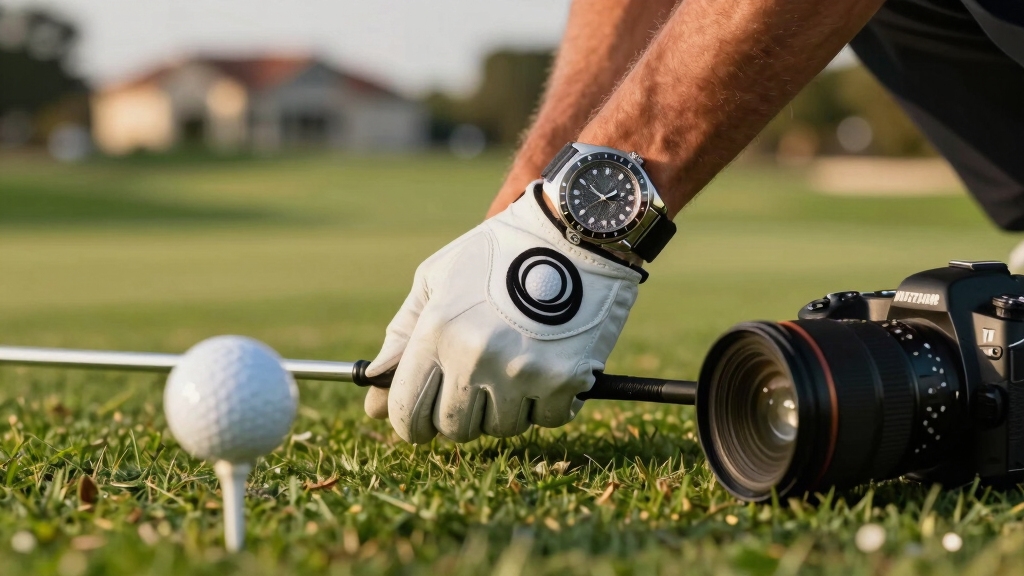
You probably won’t see golfers wearing watches during their rounds because even small weight or wrist movement changes can disrupt their swing and focus.
Mechanical watches risk damage from golf’s shock and vibration.
Automatics can lose accuracy if not worn consistently.
Quartz models offer better durability but are still rarely worn on the course.
Pros typically save their watches for celebrations and presentations.
If you want to understand what makes a watch golf-friendly, keep exploring the key factors.
- Key Takeaways
- Do Professional Golfers Wear Watches While Playing?
- Why Golfers Avoid Wearing Watches During Play?
- How Golf Swings Can Damage Mechanical Watches?
- Automatic vs Quartz Watches: Which Is Best for Golfers?
- Luxury Watches That Can Take a Golf Swing
- Why Pros Wear Watches After Winning?
- Should Casual Golfers Wear Watches While Playing?
- Choosing the Right Golf Watch: Style and Durability
- Frequently Asked Questions
- Pick Comfort, Durability, and Swing Control
Key Takeaways
- Professional golfers typically avoid wearing watches during play to prevent swing disruption and maintain optimal performance.
- Many pros wear luxury or commemorative watches after winning for style and sponsorship visibility.
- Watches can interfere with wrist movement, grip, and balance, making them impractical on the course.
- Mechanical watches risk damage from golf swing shocks, while quartz watches offer better shock resistance and durability.
- Choosing a golf watch depends on personal preference, focusing on lightweight, shock-absorbing materials and secure straps for comfort.
Do Professional Golfers Wear Watches While Playing?
Professional golfers rarely wear watches while playing because even a slight additional weight or imbalance on the wrist can disrupt their finely tuned swing.
Even minimal wrist weight or imbalance can interfere with a professional golfer’s precise swing.
You’ll notice that pros often save their luxury timepieces, like Omega Speedmasters or Rolex Submariners, for trophy presentations rather than during rounds.
When you consider the precision needed in their movement, it makes sense they avoid anything that could affect balance or feel.
Additionally, the vibrations traveling up from club impact could damage delicate mechanical components, a risk pros prefer to sidestep.
While some golfers might wear specialized sports watches off the course, you won’t see many wearing them during competitive play.
The focus remains on performance, so watches are generally kept off until after the final putt.
This attention to detail in equipment extends to grip selection and customization, as seen in professionals’ use of tape adjustments to optimize feel and control.
Why Golfers Avoid Wearing Watches During Play?
Even though a watch might seem like a minor accessory, golfers avoid wearing them during play because the added weight and imbalance can subtly disrupt their swing mechanics.
When you’re focused on precision, even a few extra grams on your wrist can change your timing and control. You’ll also find that vibrations from your swing travel up your arm, potentially affecting comfort and focus.
Here’s why you might skip the watch on the course:
- Added weight alters your natural swing balance
- Discomfort from vibrations during club impact
- Risk of distraction from a bulky or loose watch
- Potential interference with wrist movement and flexibility
- Preference for ideal feel over accessory style
Additionally, maintaining a relaxed grip tension is crucial for comfort and control, and any added wrist weight can make this more difficult to achieve.
How Golf Swings Can Damage Mechanical Watches?
While the weight and balance of a watch can alter your swing, the physical impact of golf swings poses a direct threat to mechanical watches. Each strike sends vibrations up the club shaft to your wrist, exposing your watch to shocks and low-frequency vibrations.
These forces can disrupt the delicate components inside mechanical movements, causing timing errors or even permanent damage. Unlike quartz watches, mechanical watches rely on intricate gears and springs that are vulnerable to this stress.
Professionals often avoid wearing mechanical watches during play to preserve their precision and longevity. If you choose to wear one, be aware that repeated impacts may degrade its performance over time.
Understanding this risk helps you decide whether to protect your mechanical timepiece or opt for more durable alternatives while golfing. Advanced golf simulators use precise sensor placement to accurately track swings without the need for physical wearables, reducing the risk of damage to mechanical watches.
Automatic vs Quartz Watches: Which Is Best for Golfers?
Choosing between automatic and quartz watches for golf involves weighing durability, accuracy, and movement mechanics.
You want a watch that keeps time precisely without risking damage during swings. Automatic watches wind via your wrist’s motion, which sounds ideal, but their delicate movements can suffer from golf’s vibrations and impacts.
Quartz watches, powered by batteries, maintain accuracy without relying on motion and resist shocks better.
Consider these factors:
- Automatic watches risk damage from golf swing shocks.
- Quartz watches offer consistent precision throughout your round.
- Durability favors quartz for rough wrist activity.
- Automatic movements may stop if not worn enough during play.
- Quartz watches require less maintenance and are cost-effective.
For golfers, quartz watches generally provide a safer, more reliable choice on the course. Additionally, many golf technologies now rely on sensor-embedded systems to capture precise motion data, highlighting the importance of durability and accuracy in golf accessories.
Luxury Watches That Can Take a Golf Swing
When you want a luxury watch that can handle the rigors of golf, not all timepieces are built the same.
Watches like Richard Mille and Rolex are engineered with shock resistance to absorb golf swing impacts, making them suitable for the course.
Their robust construction minimizes damage from vibrations transmitted through the club to your wrist.
While automatic movements risk harm from repeated shocks, these luxury sports watches often use advanced materials and design features to enhance durability.
You’ll also find quartz variants offering reliable precision without winding concerns.
However, even the toughest watches add weight and may affect your swing balance.
Regular inspection and maintenance can help preserve the watch’s performance similar to how golfers should inspect their equipment for damage and integrity.
Why Pros Wear Watches After Winning?
Luxury watches built for golf often stay off the course during play. However, you’ll notice pros proudly wearing them immediately after winning. This shift happens because post-victory moments combine celebration, sponsorship visibility, and style.
You’ll see these watches during trophy presentations, signaling prestige and success without risking damage during play.
Here’s why pros wear watches after winning:
- Showcase sponsorships with high-end brands like Rolex and Omega.
- Mark milestones by wearing special edition or commemorative timepieces.
- Avoid swing interference and vibration damage by removing watches during rounds.
- Enhance their image for media and fan engagement post-tournament.
- Celebrate achievements with tangible symbols of victory and professionalism.
You’ll understand that wearing watches after winning is both strategic and symbolic. This practice parallels how golfers choose equipment like travel bags based on usage frequency recommendations to balance protection and practicality.
Should Casual Golfers Wear Watches While Playing?
Although professional golfers often avoid wearing watches during play to prevent damage and maintain swing balance, casual golfers face different considerations.
Professional golfers skip watches to protect gear and swing, while casual players weigh different factors.
If you’re a casual player, you mightn’t worry as much about subtle balance shifts or vibrations from your swing.
Many casual golfers wear mechanical or quartz watches without removing them, focusing more on convenience and style than performance impact.
However, you should consider your watch’s durability. Mechanical watches are more vulnerable to shock and vibration damage, while quartz watches offer better resilience and accuracy during play.
Using cushioned surfaces like shock-absorbing mats can help reduce the impact on your wrists and watch during swings.
Ultimately, your choice depends on how much you value protecting your timepiece versus the practicality of keeping it on.
Wearing a watch while golfing is a personal preference shaped by your priorities and the watch’s robustness.
Choosing the Right Golf Watch: Style and Durability
When you’re on the hunt for the perfect golf watch, it’s all about finding that sweet spot between style and durability. If you’re leaning towards a luxury model, you’ll want something that can handle a few bumps and knocks without losing its charm.
Now, quartz watches are a great option since they offer reliable accuracy, and you won’t have to stress about them getting thrown off by your swing. On the flip side, automatic watches can be a bit more delicate; those vibrations from your game could potentially cause some damage. Additionally, choosing accessories with durable materials ensures they withstand the rigors of outdoor sports like golf.
Luxury Watch Durability
If you want a watch that stands up to golf’s unique demands, understanding durability is essential. Golf swings generate vibrations that can damage delicate mechanical components.
Choosing a luxury watch with robust shock resistance matters.
Brands like Rolex and Richard Mille engineer their timepieces to absorb impacts, making them more suitable for golf’s rigors.
When selecting your luxury golf watch, consider these durability factors:
- Shock resistance engineered for mechanical protection
- Weight and balance impact on your swing
- Materials that withstand sweat and weather
- Secure straps to avoid accidental loss
- Resistance to vibrations transmitted through the club
Additionally, features such as vibration-damping floors in golf carts highlight the importance of reducing impact and vibrations for comfort and protection during play.
Quartz Versus Automatic
Because golf swings generate significant vibrations that can impact watch mechanisms, choosing between quartz and automatic watches becomes crucial for durability and performance on the course. Quartz watches rely on battery power, offering consistent accuracy without depending on wrist motion. Automatic watches wind via wrist movement but risk damage from the shocks golf swings produce.
| Feature | Quartz Watch |
|---|---|
| Accuracy | High, stable over time |
| Durability | Better shock tolerance |
| Maintenance | Battery replacement needed |
| Feature | Automatic Watch |
| Accuracy | Slightly variable |
| Durability | Vulnerable to vibrations |
| Maintenance | Regular servicing required |
For golf, quartz watches generally provide more reliable performance and durability under the course’s physical demands. Considering vibration resistance can help in selecting a watch that endures the physical shocks common in golf.
Shock Resistance Features
Although many watches boast elegant designs, their ability to withstand shocks is critical for golfers who want durability without sacrificing style. Golf swings generate vibrations and impacts that can damage delicate internal mechanisms, especially in automatic watches.
You need a watch built to absorb these forces while maintaining precision. When choosing a golf watch, consider these shock resistance features:
- Shock-absorbing case materials like titanium or reinforced resin
- Secure, padded straps to reduce wrist impact
- Quartz movement for better resistance to sudden shocks
- Shock protection systems such as Incabloc or Parashock
- Tested durability standards, e.g., ISO 1413 compliance
Frequently Asked Questions
How Do Golfers Store Their Watches During a Round?
You typically store your watch in a secure pocket, golf bag compartment, or locker during a round.
Since wearing watches can disrupt your swing or risk damage from vibrations, you avoid keeping it on your wrist.
Some pros rely on caddies to hold their watches safely.
You might also place it in a padded case if concerned about shocks.
This approach balances convenience with protecting your valuable timepiece throughout play.
What Are the Best Watch Straps for Golfing Comfort?
Imagine wearing a pocket watch on the golf course. It’d be awkward and uncomfortable.
You should choose lightweight, breathable straps like rubber, silicone, or perforated leather for golfing comfort.
These materials reduce sweat buildup and won’t interfere with your swing. NATO straps also work well because they’re flexible and secure.
Avoid heavy metal bracelets as they disrupt your balance and feel cumbersome during precise movements on the green.
Can Smartwatches Track Golf Performance Effectively?
Yes, smartwatches can track golf performance effectively. They measure shot distances, track swings, and provide GPS course mapping to help you navigate hazards.
Many models offer detailed stats like club usage and scorekeeping, giving real-time feedback to improve your game.
While they mightn’t replace professional coaching, smartwatches give you valuable insights and convenience on the course. This makes them a practical tool for golfers seeking data-driven improvement.
Are There Specific Watch Brands Sponsoring Golf Tournaments?
Yes, you’ll find major watch brands like Rolex, Omega, and TAG Heuer actively sponsoring golf tournaments. These brands partner with events like the Masters and Open Championship, aligning their luxury image with golf’s prestige.
They often provide watches to pros for trophy presentations. If you follow tournaments, you’ll notice these sponsorships prominently boosting brand visibility while highlighting golf’s connection to precision and elegance in timekeeping.
How Do Weather Conditions Affect Watches on the Golf Course?
You’ll notice heat, cold, humidity, and rain all challenge your watch’s performance on the golf course.
Heat can expand components, affecting accuracy; cold may slow mechanical movements.
Humidity risks condensation inside the case, while rain tests water resistance.
To protect your watch, choose models with robust sealing, shock absorption, and temperature tolerance.
Quartz watches generally handle weather fluctuations better, while luxury sports watches offer engineered resilience for unpredictable golf conditions.
Pick Comfort, Durability, and Swing Control
You might think wearing a watch while golfing risks damaging it, but with the right choice, that’s not the case.
Opt for durable, shock-resistant models like certain luxury automatics or tough quartz watches that can handle your swing without issue.
Whether you’re a pro or a casual player, picking a watch designed for golf means you don’t have to sacrifice style or function on the course.
So go ahead, wear your watch confidently.