
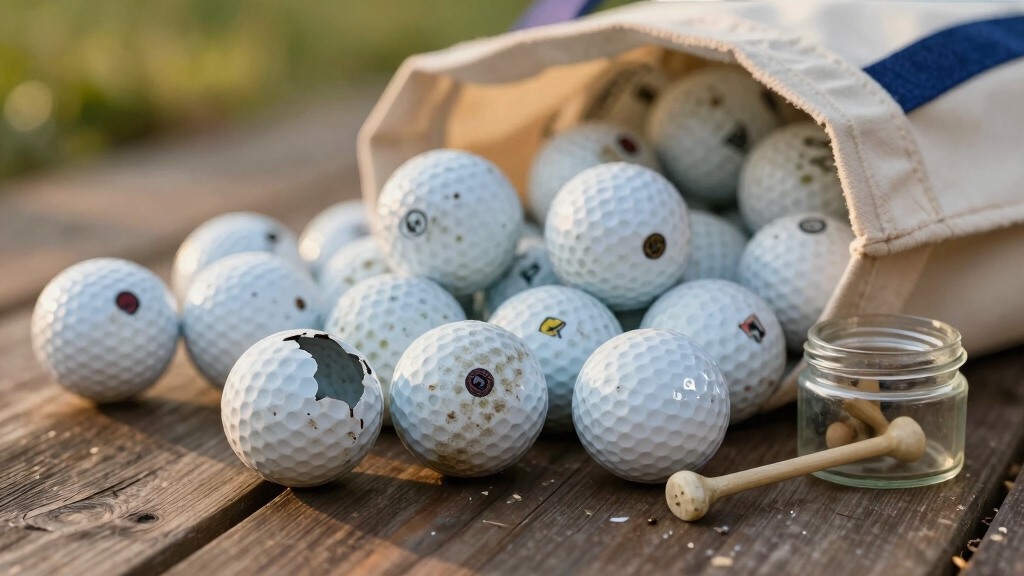
You can extend your used golf balls’ life by collecting them in ventilated bags, cleaning with mild detergent, and sorting by condition.
Many courses retrieve lost balls using divers or magnets, then grade and refurbish them for resale. This cuts environmental impact and saves costs.
Selling cleaned, graded balls on specialized marketplaces boosts value while supporting a circular economy.
Choosing recycled balls reduces plastics waste and carbon emissions.
Keep exploring to discover effective recycling challenges and sustainable golf brand options.
- Key Takeaways
- Top Environmental and Economic Reasons to Reuse Golf Balls
- Environmental Benefits of Using Recycled Golf Balls
- Easy Ways to Collect and Store Your Used Golf Balls
- How Golf Courses Recover and Resell Lost Golf Balls?
- How to Clean and Refresh Your Used Golf Balls?
- Where to Sell or Trade Your Used Golf Balls?
- What to Look For When Buying Recycled Golf Balls?
- Recycling Challenges and How You Can Help
- Supporting Sustainable Golf Brands and Practices
- Frequently Asked Questions
- Make Smarter Choices With Your Used Golf Balls
Key Takeaways
- Collect used golf balls in ventilated bags and clean them with mild detergent to maintain quality and prevent damage.
- Sort and grade balls by condition (e.g., Eagle, Birdie, Par) to determine usability and resale value.
- Sell or trade cleaned, graded balls through online marketplaces, local golf courses, or pro shops to reach buyers.
- Participate in or support golf ball recycling programs that retrieve and refurbish balls, reducing environmental impact.
- Store used balls in cool, dry places to prevent material breakdown and extend their lifespan before reuse or sale.
Top Environmental and Economic Reasons to Reuse Golf Balls
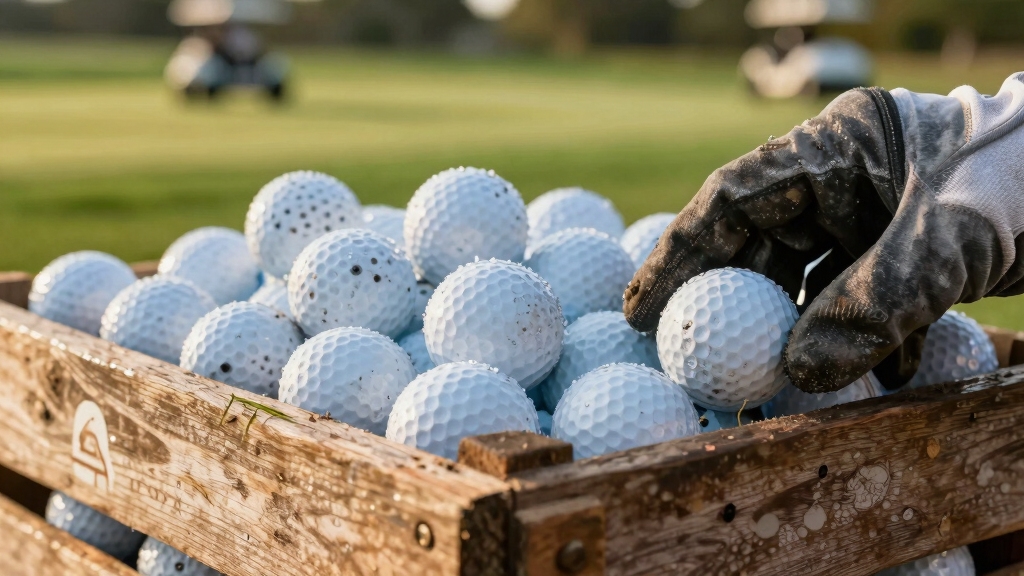
Frequently overlooked, reusing golf balls offers substantial environmental and economic benefits that directly impact both the sport and the planet.
Reusing golf balls delivers significant environmental and economic advantages benefiting both the game and the Earth.
When you recover and reuse golf balls, you reduce the demand for manufacturing new ones. This process consumes significant fossil-based materials and energy.
Each recycled ball spares you and the industry from additional carbon emissions linked to plastic and synthetic rubber production.
Economically, reusing golf balls cuts costs. Used balls sell for less than new ones, saving you money without compromising performance, especially when graded for quality.
Moreover, the reuse process creates job opportunities for specialized divers and refurbishers.
Additionally, choosing balls with Surlyn covers can further extend the lifespan of reused balls due to their superior durability and resistance to cuts and abrasions.
Environmental Benefits of Using Recycled Golf Balls
Choosing recycled golf balls markedly reduces environmental strain by minimizing the demand for new ball production, which relies heavily on fossil-based plastics and synthetic rubber.
When you opt for recycled balls, you lower the consumption of virgin materials and cut associated carbon emissions from manufacturing processes.
Additionally, using refurbished golf balls helps divert hundreds of millions of lost or discarded balls annually from ecosystems where they release harmful microplastics and chemicals.
This reuse extends the lifecycle of polymer-based components, lessening landfill accumulation and water pollution.
By supporting recycled golf balls, you promote a circular economy, reduce resource extraction, and aid in ecosystem protection.
The retrieval and refurbishment processes also clean water hazards, improving aquatic health.
Ultimately, incorporating recycled balls into your game markedly decreases your environmental footprint while maintaining play quality.
Moreover, as the standardized 18-hole format supports consistent play, recycled golf balls contribute to maintaining fair competition and scoring integrity.
Easy Ways to Collect and Store Your Used Golf Balls
Extending the life of golf balls through reuse starts with effective collection and storage methods that maintain ball quality and streamline retrieval.
Begin by designating a specific container, preferably a ventilated basket or mesh bag, to collect balls after play. This prevents moisture buildup that can degrade core integrity.
Regularly inspect balls for surface damage or dirt, using mild cleaning solutions to remove residues that may affect performance.
For storage, choose a cool, dry environment to minimize material breakdown from heat or UV exposure.
Organize balls by condition or brand using labeled bins or dividers, facilitating quick access and sorting.
Employing these technical practices guarantees your used golf balls retain peak playability and supports sustainability efforts by reducing waste and the demand for virgin materials.
Using a golf towel to clean and dry balls after play helps prevent water spots that could impact performance.
How Golf Courses Recover and Resell Lost Golf Balls?
You know, golf courses have some pretty interesting ways of recovering lost golf balls. They actually employ specialized retrieval techniques, like full-time divers and mechanical scoops, to fish those balls out from water hazards and rough terrain. It’s quite the operation!
Once they’ve gathered the lost balls, the next step is giving them a good clean. They scrub off all that algae and debris, getting them ready for the next phase. After that, it’s all about sorting. They categorize the balls by brand and condition, which is pretty impressive.
And here’s where it gets really cool: the balls are graded into categories like Eagle, Birdie, or Par. This helps determine their resale value and usability. So, not only do they recover those lost balls, but they also give them a new life!
Proper cleaning techniques, similar to those used to maintain golf grips, ensure the balls are restored to optimal playability before resale.
Retrieval Techniques Employed
Golf courses often rely on specialized retrieval techniques to collect lost golf balls efficiently from water hazards, roughs, and course perimeters.
You’ll find full-time divers using surface-supplied diving gear to recover submerged balls from ponds and lakes, negotiating visibility challenges and underwater vegetation.
On land, staff employ rakes and magnetic retrieval tools for balls embedded in rough or dense foliage. Advanced suction devices also extract balls from mud or sand traps.
After collection, high-pressure washers remove algae, dirt, and residues, preparing balls for inspection.
This methodical retrieval minimizes environmental impact by reducing chemical leaching and plastic pollution in ecosystems.
Proper turf maintenance and repair, including divot repair techniques, help sustain playable surfaces and reduce the number of balls lost in damaged course areas.
Sorting And Grading
After retrieval, workers meticulously clean each golf ball using high-powered washing systems to eliminate dirt, algae, and residue, ensuring accurate inspection.
Once cleaned, balls undergo a thorough grading process where quality, surface integrity, and brand markings are assessed. You’ll find balls sorted into categories such as Eagle, Birdie, and Par, reflecting playability and cosmetic condition.
This classification helps courses and resellers price and market the balls effectively. You’ll notice that high-grade balls with minimal scuffs and intact dimple patterns fetch premium resale values, while lower grades serve budget markets.
Additionally, automated sorting machines assist in brand identification and defect detection, increasing efficiency. This rigorous sorting and grading system sustains a viable secondary market, reduces waste, and supports the circular economy within golf ball recovery.
To transport and store graded balls securely, many facilities use bags made with durable fabrics and reinforced padding to prevent damage during handling.
How to Clean and Refresh Your Used Golf Balls?
When cleaning and revitalizing used golf balls, start by soaking them in a solution designed to break down dirt, algae, and other residues without damaging the ball’s surface.
A mild detergent mixed with warm water works well, or you can use specialized golf ball cleaners.
After soaking for 20-30 minutes, scrub gently with a soft brush to avoid abrasion.
Rinse thoroughly and air dry.
| Step | Details |
|---|---|
| Soak | 20-30 min in mild detergent |
| Scrub | Soft brush, gentle pressure |
| Dry | Air dry, avoid heat sources |
This process restores the ball’s surface texture and improves performance.
It extends its usable life while supporting sustainability by reducing waste.
For optimal practice, pairing cleaned balls with a durable golf hitting mat can enhance your swing training experience.
Where to Sell or Trade Your Used Golf Balls?
If you’re looking to turn your used golf balls into cash or trade them for newer models, several avenues can help you maximize their value.
Start by exploring specialized online marketplaces that focus on recycled golf balls. Platforms like eBay and dedicated golf ball resale sites attract buyers seeking quality used balls sorted by brand and condition.
Local golf courses often buy back high-grade balls found on their grounds or offer trade-in programs, especially for premium brands. Additionally, consider golf retail stores and pro shops that accept used balls for credit toward new purchases or refurbished stock.
When selling or trading, make sure your balls are cleaned and graded accurately. Transparent condition reporting builds trust and can increase resale value in this $200 million industry.
Wearing appropriate and clean gear, such as shoes with non-marking soles, can also help maintain the quality of your equipment and the playing environment during ball collection or trade-in processes.
What to Look For When Buying Recycled Golf Balls?
Knowing where and how to sell or trade your used golf balls lays the groundwork for understanding what makes a recycled ball a worthwhile purchase.
Understanding the market for used golf balls is key to appreciating the value of recycled options.
When buying recycled golf balls, focus on their grading—Eagle, Birdie, or Par—indicating condition and playability.
Inspect the ball’s cover for scuffs, cuts, or discoloration, as these affect aerodynamics and spin control.
Confirm the cleaning process used; high-powered cleaning systems remove residues that could alter ball flight.
Check the brand and model to match your performance preferences, since recycled balls retain original design specs.
Finally, consider packaging and authenticity guarantees to avoid counterfeit products.
Choosing quality recycled balls guarantees consistent performance while supporting sustainable practices by reducing waste and resource consumption in golf.
Additionally, selecting balls with low compression can help beginners achieve better distance and straighter shots, enhancing overall playability.
Recycling Challenges and How You Can Help
Although recycling used golf balls offers clear environmental benefits, the process faces significant economic and logistical challenges that hinder widespread adoption.
Major companies often avoid recycling due to high refurbishment costs and prefer reselling cleaned lake balls instead.
Golf courses accumulate thousands of balls, many stored indefinitely or discarded as waste when refurbishment is unprofitable.
Old balls, especially those decades old, contain plastics challenging to recycle and require specialized disposal.
To help, you can support local retrieval efforts by returning worn-out balls to designated recycling bins at courses or clubs.
Additionally, purchasing refurbished balls encourages the circular economy, reducing demand for virgin materials.
Choosing sustainable golf equipment, such as bio-based composites, can further reduce environmental impact and support eco-friendly practices.
Supporting Sustainable Golf Brands and Practices
You know, one great way to lessen your environmental impact is by choosing golf brands that focus on recycled materials and circular production methods. It’s pretty cool to support companies that are making an effort to be eco-friendly!
Also, think about the courses you play on. If they’ve active recycling programs, that’s a big plus! It means that used balls are properly collected, cleaned, and refurbished instead of just being tossed aside.
Choosing Eco-Friendly Brands
When selecting golf balls, paying close attention to eco-friendly brands can markedly reduce your environmental footprint.
Look for manufacturers using recycled core materials or biodegradable components, which minimize reliance on virgin plastics and synthetic rubbers.
Prioritize brands that implement closed-loop production, reclaiming and refurbishing used balls to lower carbon emissions and resource consumption.
Certifications or transparent reporting on carbon footprint and material sourcing signal genuine sustainability commitments.
Additionally, some companies integrate post-consumer recycled plastics in covers and packaging, reducing microplastic pollution risk.
By choosing these options, you support circular economy principles, cutting waste and pollution from lost or discarded balls.
This technical approach guarantees your purchase aligns with ecological preservation, curbing chemical leaching and energy-intensive manufacturing intrinsic to conventional golf ball production.
Promoting Course Recycling Programs
By integrating all-encompassing recycling programs, golf courses play a crucial role in advancing sustainable practices within the industry.
You can implement ball recovery initiatives that include installing collection bins for used and worn-out balls.
Facilitate systematic retrieval from ponds and course perimeters by trained divers or staff.
Employ grading and refurbishing protocols to extend ball life cycles, reducing reliance on virgin materials and cutting carbon emissions linked to new ball production.
Promote partnerships with sustainable golf brands offering recycled products, and educate players on the environmental impacts of disposed balls.
By managing inventory of reclaimed balls and reselling high-quality refurbished ones, you minimize waste accumulation and support circular economy models.
These efforts enhance ecological stewardship and create cost-effective, environmentally responsible options for players and courses alike.
Frequently Asked Questions
Can Used Golf Balls Affect My Game Performance?
Yes, used golf balls can affect your game performance.
Their surface scuffs, nicks, and compression changes reduce aerodynamics, causing less predictable flight paths and diminished distance.
Recycled balls graded as Eagle or Birdie perform closer to new ones, but lower-grade balls may have inconsistent spin and feel.
If you want consistent shots, choose high-quality refurbished balls.
Otherwise, expect some variability in control and distance when using heavily worn balls.
Are There Safety Concerns With Playing Used Golf Balls?
You generally won’t face safety concerns playing with used golf balls if they’re properly inspected and refurbished.
Cracks or deep scuffs can cause unpredictable flight or even ball disintegration on impact, potentially causing injury.
Quality-graded balls like Eagle or Birdie have passed rigorous checks, ensuring structural integrity.
Always avoid balls with visible damage or excessive wear.
Buy from reputable sources that clean and sort used balls thoroughly to maintain safety standards.
How Long Do Recycled Golf Balls Typically Last?
You might think recycled golf balls last as long as your patience on the course. Surprisingly, they actually hold up well.
Typically, these balls endure several rounds of play, often rivaling new balls in durability due to advanced refurbishing techniques. Their cores and covers get inspected and restored, ensuring consistent compression and spin.
With proper maintenance, expect recycled balls to last multiple games before performance declines. This makes them a reliable, eco-friendly choice.
Can I Use Used Golf Balls in Official Tournaments?
Yes, you can use used golf balls in official tournaments as long as they conform to the USGA and R&A equipment standards.
The balls must be on the approved list, maintaining consistent size, weight, and performance characteristics.
Before play, inspect used balls for damage or alterations.
Many recycled balls meet these criteria after professional grading and refurbishing, making them suitable and legal for competitive play without compromising fairness or integrity.
What Tools Help Identify High-Quality Used Golf Balls?
You’ll want to use a compression tester and a dimple pattern gauge to identify high-quality used golf balls.
Notably, over 50 million used balls are graded annually in the U.S. A compression tester measures ball firmness, affecting distance and feel. The dimple gauge confirms aerodynamic integrity.
Additionally, UV light inspections reveal surface cracks or damage. Combining these tools helps you select balls that perform close to new, guaranteeing consistent play.
Make Smarter Choices With Your Used Golf Balls
Why let perfectly good golf balls go to waste when you can save money and protect the environment?
By reusing and recycling golf balls, you reduce landfill waste, conserve resources, and support sustainable practices.
Collecting, cleaning, and trading used balls is easier than you think. Many courses actively recover lost balls for resale.
So, next time you tee off, consider giving used golf balls a second life. You’ll be making a smart, eco-friendly choice every swing.