
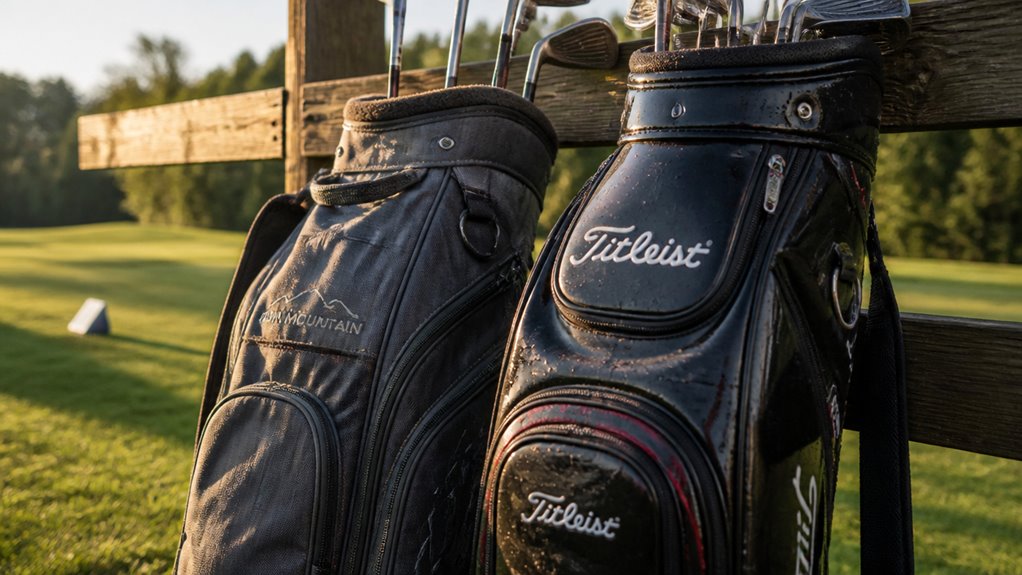
You’ll find nylon golf bags offer superior abrasion resistance and durability, making them ideal for frequent, heavy use.
They also provide excellent water resistance but may fade faster under UV exposure.
Polyester bags are lighter, resist tearing, dry quickly, and retain color better in sunlight, suiting casual play or budget-conscious buyers.
Each material has trade-offs in strength, weight, and longevity.
Keep exploring to understand which fits your needs best.
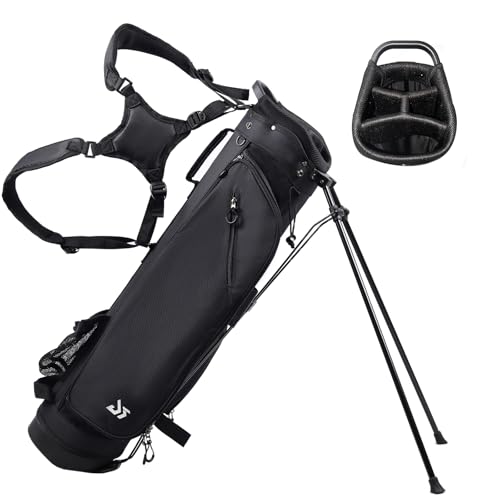
- Ultra-lightweight design: adjustable padded shoulder strap provides balanced weight distribution for…
- Four-way divider top: spacious opening accommodates midsize grips to prevent tangling; dedicated…
- Insulated cooler pocket: built-in compartment keeps beverages cold without leaking condensation…

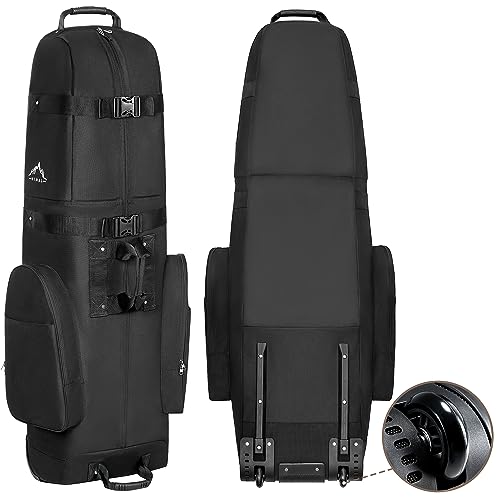
- 【Premium Quality Material】 Crafted from high-grade 600D heavy-duty polyester oxford, this golf…
- 【Ideal Size】 The universal dimensions cater to all your everyday needs. Multiple zippered…
- 【Rolling Convenience】 The advanced smooth zipper design ensures daily use, while the top-quality…
- Key Takeaways
- Difference Between Nylon and Polyester in Golf Bags: Durability, Weight, and Weather
- Durability and Wear of Nylon vs Polyester Golf Bags
- Weight and Portability of Nylon and Polyester Golf Bags
- How Nylon and Polyester Hold Up to Sun and Color Fading?
- Care and Maintenance of Nylon and Polyester Bags
- Choose the Golf Bag Material That Fits Your Game
Key Takeaways
- Nylon offers superior abrasion resistance and durability, making it ideal for frequent or heavy-use golf bags.
- Polyester is lighter, resists UV fading, and dries faster, suitable for budget-conscious or occasional players.
- High-denier nylon (e.g., 1680D) provides exceptional toughness but can be heavier than polyester options.
- Polyester maintains color vibrancy longer under sun exposure, while nylon fibers degrade faster from UV damage.
- Nylon bags generally cost more but offer better long-term value due to strength and reduced replacement needs.
Difference Between Nylon and Polyester in Golf Bags: Durability, Weight, and Weather
| Comparison Point | Nylon Golf Bags | Polyester Golf Bags | Best Choice |
|---|---|---|---|
| Durability | Offers superior abrasion resistance for frequent use | Durable for casual use but less tough under heavy wear | Nylon for long-term toughness |
| Tear Resistance | Strong, especially in high-denier fabrics like 1680D nylon | Resists tearing well and holds shape over time | Depends on use level |
| Weight | Strong but can be heavier in thicker constructions | Usually lighter and easier to carry | Polyester for lightweight carry |
| Portability | Good strength-to-weight ratio, but heavier models may feel bulky | Better for compact carry bags and walking rounds | Polyester for easy carrying |
| Water Resistance | Offers excellent water resistance in wet conditions | Dries quickly but may be less water-repellent | Nylon for rain protection |
| UV and Color Fading | May fade faster under direct sunlight | Better UV resistance and color retention | Polyester for sun exposure |
| Shape Retention | Flexible and tough, but may stretch slightly over time | Maintains shape well without shrinking or stretching | Polyester for stable shape |
| Cost | Often costs more due to stronger materials | Usually more affordable for budget buyers | Polyester for lower cost |
| Best Use Case | Frequent play, rough handling, wet weather, heavy gear | Casual play, sunny conditions, lightweight carry needs | Match to playing style |
| Overall Value | Better for golfers who need rugged durability | Better for golfers wanting lightweight value | Choose by priority |
Durability and Wear of Nylon vs Polyester Golf Bags
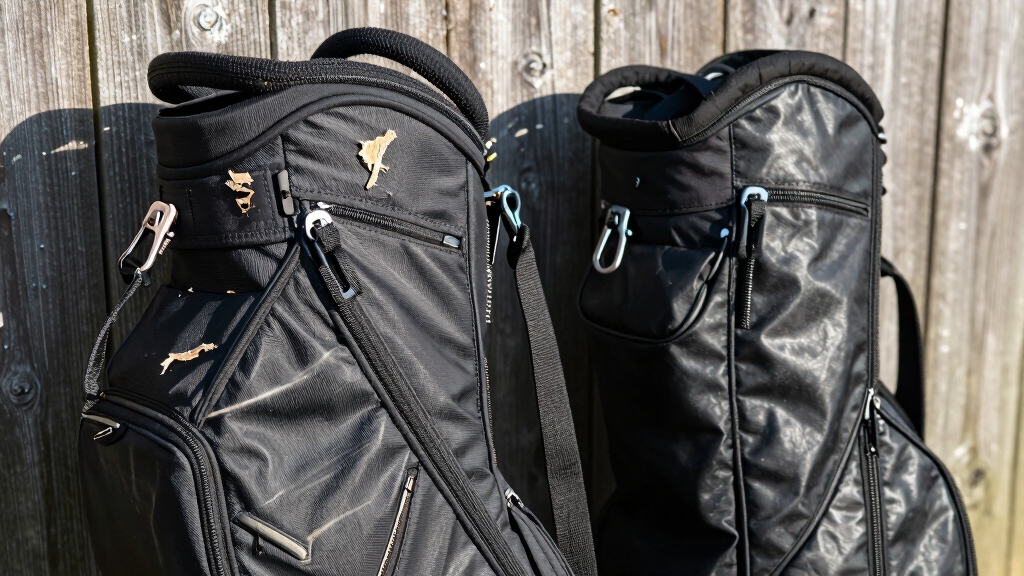
Durability plays a crucial role when choosing between nylon and polyester golf bags, especially if you frequently subject your gear to rigorous conditions.
You’ll find nylon offers superior abrasion resistance and handles heavy wear better than polyester. Polyester resists tearing but generally lacks nylon’s toughness under abrasive stress.
High-denier nylon, such as 1680D ballistic fabric, provides exceptional long-term durability, ideal for demanding use. However, nylon bags may occasionally tear after months of intense use, requiring repairs.
Polyester, while less durable, excels at maintaining its shape without shrinking or stretching over time, which benefits consistent performance.
When analyzing wear, nylon’s abrasion resistance outweighs polyester’s shape retention. This makes nylon the preferred choice if your priority is rugged longevity rather than dimensional stability.
Many high-quality golf bags utilize reinforced bases made from nylon to enhance stability and extend the lifespan of the bag.
Weight and Portability of Nylon and Polyester Golf Bags
While nylon’s toughness makes it the top pick for long-lasting golf bags, weight and portability often determine how comfortable your bag will be during a round.
Nylon offers an excellent strength-to-weight ratio, especially in high-denier options like 1680D. However, heavier nylon bags can become cumbersome when you walk long distances.
Nylon’s high-denier fabrics deliver strength but may feel heavy on long walks.
In contrast, polyester tends to be lighter overall, making it ideal for ultra-compact carry bags under three pounds. If you prioritize minimizing carried weight, polyester’s lightweight materials provide superior portability.
For entry-level bags, 420D nylon strikes a balance between durability and flexibility without excessive weight. Ultimately, your choice depends on whether you value robust strength or reduced load.
Polyester suits walkers seeking lightness, while nylon benefits those needing durability without sacrificing too much portability.
The Jones Classic Stand Bag, made with 400D nylon and Jones vinyl, exemplifies how durable materials can be combined with a lightweight and functional design.
Water and Weather Resistance of Nylon and Polyester
Nylon is pretty impressive when it comes to water resistance. It’s definitely the go-to choice for those wet or unpredictable weather days.
On the other hand, polyester mightn’t hold up as well against water, but it has its own perks. It dries faster and does a great job resisting UV damage.
Many golf bags use durable 600D polyester fabrics to balance toughness and weather protection effectively.
Water Resistance Comparison
Because golfers often face unpredictable weather, choosing the right material for water resistance is essential. Nylon offers excellent water resistance, making it ideal for wet climates. Polyester dries faster and resists moisture damage but is less water-repellent. Both materials benefit from waterproof coatings or sealed seams for enhanced protection.
| Feature | Nylon | Polyester |
|---|---|---|
| Water Resistance | Superior, resists heavy rain | Moderate, quick-drying |
| Moisture Impact | Less prone to moisture damage | More resistant to chemicals |
| Coating Compatibility | Works well with TPU/sealed seams | Effective with UV-resistant finishes |
When selecting your golf bag, consider nylon if prolonged water exposure is expected. Choose polyester if quick drying is a priority. Many premium golf bags use water-resistant zippers and reinforced bases to enhance durability and protection against moisture on the course.
Weather Durability Factors
Though both nylon and polyester offer water resistance, their weather durability differs markedly under varying conditions. When selecting a golf bag, you need to weigh how each fabric performs in diverse climates and weather scenarios.
Nylon provides superior water resistance and excels in wet, rainy environments due to its dense weave and hydrophobic treatment.
Polyester dries faster than nylon, making it advantageous in humid or damp conditions where quick evaporation is essential.
Polyester naturally resists UV degradation better than nylon, maintaining structural integrity under prolonged sun exposure.
Nylon offers enhanced abrasion resistance, improving longevity in harsh weather but may require sealed seams or TPU coatings for peak waterproofing.
For golfers with slower swing speeds, factors such as lightweight design and material flexibility can also influence the choice of golf bag materials to complement their overall equipment needs.
How Nylon and Polyester Hold Up to Sun and Color Fading?
When exposed to prolonged sunlight, polyester consistently outperforms nylon in color retention and resistance to UV fading. Polyester’s molecular structure provides inherent UV resistance, allowing it to maintain vibrant colors longer without significant degradation.
Polyester’s molecular makeup ensures superior color retention and UV resistance compared to nylon under prolonged sunlight exposure.
It also frequently incorporates UV-blocking finishes, further enhancing its protection against sun damage. Nylon, while holding dye well initially, is more susceptible to color fading when exposed to direct sunlight over time.
Its fibers degrade faster under UV exposure, causing dullness and loss of vibrancy. If you need a golf bag that retains its appearance in sunny conditions, polyester offers a distinct advantage.
Nylon may require more frequent replacement or treatment to preserve color, whereas polyester’s resistance to fading guarantees a longer-lasting, sharper aesthetic under consistent sun exposure.
Additionally, polyester’s moisture-wicking fabric technology, commonly used in golf apparel and accessories, helps maintain material integrity by reducing sweat-related damage and discoloration.
Cost and Value of Nylon and Polyester Golf Bags
If you’re on a budget, polyester golf bags are typically the way to go. They usually come with a lower price tag, making them a practical option for those looking to save a few bucks.
On the other hand, nylon bags tend to be a bit pricier. But here’s the thing: they offer enhanced durability. If you’re someone who plays frequently or tends to put their gear through a lot, that extra durability can really justify the cost.
Additionally, choosing a bag with the right weather-resistant materials can help maintain its condition and extend its lifespan.
Pricing Comparison Overview
Pricing often boils down to balancing performance and budget, especially when choosing between nylon and polyester golf bags.
You’ll find nylon generally costs more due to its superior abrasion resistance and heavy-duty variants like 1680D ballistic nylon.
Polyester, meanwhile, offers a more affordable entry point with decent durability.
Consider these points to evaluate pricing effectively:
- Nylon’s cost reflects enhanced durability and water resistance, ideal for frequent users.
- Polyester suits budget-conscious golfers prioritizing lightweight and color retention.
- Entry-level nylon bags (e.g., 420D) offer a mid-range price-performance compromise.
- Polyester’s lower cost makes it attractive for occasional players or those seeking lightweight carry bags.
Understanding these distinctions helps you select a golf bag that aligns with your financial and functional requirements.
Additionally, choosing bags with features like durable steel construction can influence overall value and longevity.
Durability Versus Expense
Although nylon golf bags typically demand a higher upfront investment, their superior durability and abrasion resistance often justify the expense for frequent players.
Nylon, especially in high-denier forms like 1680D, withstands heavy wear and tear markedly better than polyester, reducing replacement frequency.
Conversely, polyester offers a more affordable option with adequate durability for occasional users but tends to show wear faster under abrasive conditions.
Its resistance to shrinking and UV fading adds value but doesn’t compensate for reduced longevity compared to nylon.
When evaluating cost versus lifespan, nylon’s performance-driven design offers better long-term value despite higher initial costs.
If you play regularly and prioritize durability, nylon’s strength-to-weight ratio makes it a more cost-effective choice over time.
Meanwhile, polyester suits golfers with lighter usage or tighter budgets.
For golfers seeking enhanced organization along with durable materials, bags with 14-way full-length dividers provide superior club protection and accessibility.
Care and Maintenance of Nylon and Polyester Bags
Since both nylon and polyester golf bags face wear from frequent use and exposure to elements, proper care is essential to maintain their performance and appearance. You’ll want to focus on cleaning, drying, storage, and inspection to maximize longevity. Here’s how:
- Clean with mild soap and water; avoid harsh chemicals to prevent fabric degradation.
- Dry bags thoroughly to prevent mildew. Nylon dries faster, but polyester’s quick-dry properties help too.
- Store bags in a cool, dry place away from direct sunlight to minimize UV damage and fading.
- Regularly inspect for abrasions, tears, or pilling. Repair nylon promptly to avoid worsening damage.
- Choosing materials with waterproof coatings can further protect bags from moisture-related damage during storage.
Frequently Asked Questions
Are Nylon or Polyester Golf Bags More Environmentally Friendly?
You’ll find polyester golf bags generally more environmentally friendly than nylon ones.
Polyester is often made from recycled plastics, reducing waste and energy use.
Nylon production consumes more energy and releases nitrous oxide, a potent greenhouse gas.
While both plastics pose sustainability challenges, choosing recycled polyester minimizes your environmental impact.
To further improve eco-friendliness, look for bags with certifications or recycled content. This ensures your purchase supports greener manufacturing practices.
Which Material Offers Better Customization Options for Golf Bags?
You’ll find polyester offers better customization options for golf bags due to its superior dye retention and resistance to UV fading. This allows vibrant, lasting colors and intricate designs.
Polyester’s stable shape and compatibility with various printing techniques, like sublimation, make it ideal for detailed graphics.
Nylon, while strong, is more prone to fading and less receptive to precise colorwork. This limits complex customization compared to polyester’s adaptable surface.
Do Nylon or Polyester Bags Affect the Sound When Carrying Clubs?
Carrying clubs in nylon or polyester bags sounds like a soft whisper compared to hard cases.
Nylon’s abrasion resistance dampens rattling, giving you a quieter carry.
Polyester, lighter and less dense, might produce a slightly sharper clink as clubs shift.
Both materials cushion well, but nylon’s tougher weave absorbs impact better, reducing noise.
Which Fabric Is Better for Insulated Compartments in Golf Bags?
For insulated compartments in golf bags, polyester is better due to its superior color retention and moisture resistance. This helps maintain the insulation’s integrity over time.
Polyester’s quick-drying nature and resistance to UV damage also protect insulation materials from degradation. While nylon offers durability, polyester’s stability against shrinking, stretching, and moisture exposure guarantees your insulated compartments stay effective and long-lasting under varied weather conditions.
Are There Any Allergy Concerns With Nylon or Polyester Golf Bags?
You’ll be glad to know that allergic reactions to nylon or polyester golf bags are extremely rare, affecting less than 1% of users.
Both materials are synthetic and generally hypoallergenic, but if you have sensitive skin, you might experience mild irritation from dyes or finishes.
To minimize risk, choose bags with non-toxic coatings and avoid prolonged direct skin contact.
Regular cleaning also helps reduce allergen buildup on the fabric surface.
Choose the Golf Bag Material That Fits Your Game
When choosing between nylon and polyester golf bags, you might think the differences are minor.
But consider durability, weight, and weather resistance carefully. They impact your game more than you realize.
Polyester offers better UV resistance, while nylon excels in strength and flexibility.
Maintenance and cost also play key roles.
So, which fabric truly suits your needs? The answer lies in balancing performance and practicality, revealing itself only when you weigh each factor with precision.
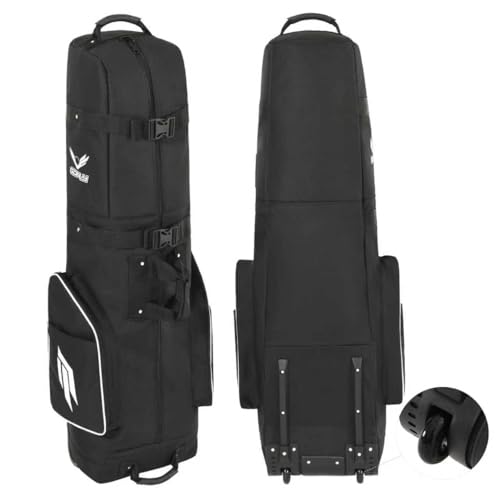
- Spacious & Versatile Storage – This golf travel bag fits all standard golf stand bags and golf…
- Secure & Protective Design – Featuring two adjustable external straps and a hidden interior strap…
- Smooth & Easy Transport – Equipped with two ultra-smooth wheels and three ergonomic handles at the…

- Made of premium 600D heavy duty polyester oxford, protect your golf clubs during travel. Please note…
- Universal size 13 x 15 x 50 inches fits all the needs of everyday life. Enough space to hold your…
- Advanced smooth zipper design is usable several times. The quality wheels make your trip more…
Last update on 2026-09-22 / Affiliate links / Images from Amazon Product Advertising API