
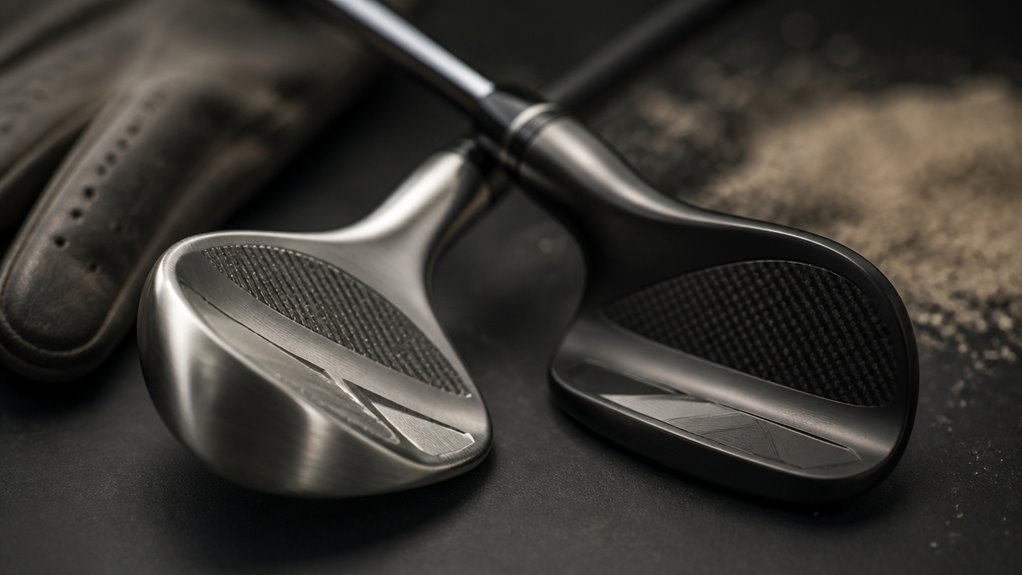
If you want precise control, stability, and clear impact feedback, steel wedges are your best bet. They offer heavier shafts that reduce twist and improve shot consistency.
Graphite wedges, being lighter, help increase swing speed and reduce vibration. This eases fatigue and enhances comfort, especially for slower or smoother swings.
Both materials deliver comparable distance and spin, but shaft choice hinges on your swing dynamics and comfort preferences. You’ll find a detailed comparison ahead to help refine your best fit.

- Wilson Harmonized Unisex Golf Wedge – Right Hand, 56
- Hand: Right
- Loft: 56


- CNC Pression Milled Grooves: Increase friction to enhance grip, spin, and control, improving shot…
- Unique Face Texture: Enhance stability and control by reducing slip and improving consistency and…
- Exceptional Forgiveness: Provides reliable performance even on miss-hits, reducing the likelihood of…
- Key Takeaways
- Steel vs Graphite Wedges Comparison: Control, Feel, and Performance
- Steel vs Graphite: Wedge Weight and Swing Speed
- Launch and Distance Differences: Steel vs Graphite Wedges
- Feel and Impact Feedback With Steel and Graphite Shafts
- Accuracy and Shot Dispersion: Steel Vs Graphite Wedges
- Durability and Cost Comparison of Steel and Graphite Shafts
- How Player Strength and Swing Style Affect Shaft Choice?
- When to Choose Steel Wedges for Control and Stability?
- Why Graphite Wedges Help With Easier Swing and Reduced Shock?
- Latest Advances in Lightweight Steel and Stable Graphite Shafts
- Balancing Performance and Comfort: Finding Your Best Wedge Shaft
- Frequently Asked Questions
- How Do Steel and Graphite Shafts Affect Wedge Customization Options?
- Can Shaft Material Influence Wedge Bounce and Grind Performance?
- Are There Differences in Maintenance Requirements Between Steel and Graphite Wedges?
- How Does Shaft Material Impact Wedge Performance in Different Turf Conditions?
- Do Steel and Graphite Wedges Require Different Fitting Processes?
- Final Verdict on Steel Vs Graphite Wedges
Key Takeaways
- Steel wedge shafts provide greater control, tighter shot dispersion, and more precise feedback for players prioritizing accuracy and consistency.
- Graphite shafts are lighter, reducing fatigue and aiding smoother swings, beneficial for slower tempos or players with less upper-body strength.
- Graphite wedges generally produce higher launch and spin rates, offering slightly better carry distance and softer trajectories.
- Steel shafts deliver crisper impact feel and durability, while graphite offers better vibration damping for enhanced comfort and reduced joint stress.
- Advanced graphite shaft designs have improved stability and reduced torque, narrowing performance gaps with steel in modern wedge options.
Steel vs Graphite Wedges Comparison: Control, Feel, and Performance
| Comparison Point | Steel Wedges | Graphite Wedges | Best Choice |
|---|---|---|---|
| Shaft Weight | Usually heavier, helping create a stable swing path | Usually lighter, helping easier acceleration | Graphite for swing speed |
| Control | Offers precise control and tighter shot consistency | Provides good control, but feel may vary by shaft design | Steel for accuracy |
| Swing Speed | Heavier weight may suit stronger, faster players | Lighter design can help players generate more clubhead speed | Graphite for slower swings |
| Feel at Impact | Gives crisp, direct feedback on clean shots and mishits | Feels smoother and softer because it reduces vibration | Depends on feel preference |
| Vibration Damping | Transfers more impact feedback through the hands | Absorbs more shock, reducing hand, wrist, and arm strain | Graphite for comfort |
| Launch and Spin | Often produces a lower, controlled ball flight | Can help create a slightly higher launch and softer flight | Graphite for higher launch |
| Durability | Known for long-lasting strength and rugged use | More sensitive to sharp impact or poor handling | Steel for durability |
| Cost | Usually more budget-friendly | Often costs more due to carbon-fiber materials | Steel for value |
| Best Player Type | Great for players who want stability, feedback, and precision | Great for players who want lighter feel and reduced fatigue | Match to your swing style |
Steel vs Graphite: Wedge Weight and Swing Speed
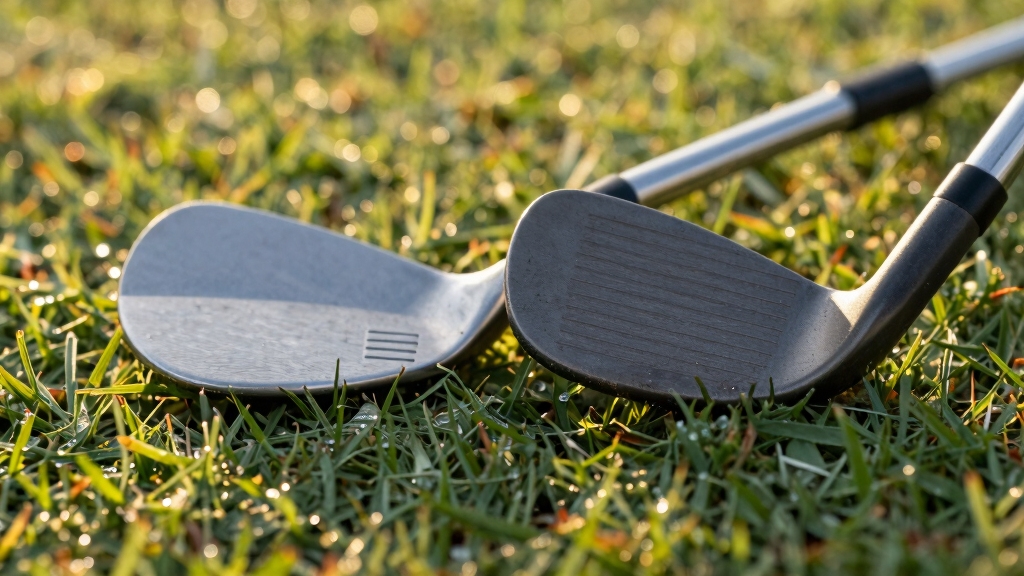
Although steel wedge shafts typically weigh between 95 and 130 grams, graphite shafts offer a lighter range from 40 to 115 grams. This directly impacts your swing speed and control.
When you choose graphite, you benefit from reduced shaft weight, enabling easier acceleration through impact and potentially increasing your clubhead speed. Conversely, steel shafts provide greater mass, contributing to enhanced swing path stability and consistent control.
Recent advances have introduced lighter steel shafts in the mid-80 gram range, narrowing the weight differential and offering you more options. If your priority is precise control and feedback, steel remains the authoritative choice.
However, if you seek to optimize swing speed while maintaining adequate control, graphite’s lighter weight can deliver measurable advantages. This is especially true in wedge shots demanding finesse and acceleration.
Additionally, graphite shafts with mid-to-high bend points help produce a smoother feel and higher trajectory, which can be beneficial for players with slower swing speeds.
Launch and Distance Differences: Steel vs Graphite Wedges
Beyond the influence of shaft weight on swing speed, the material composition also affects launch characteristics and distance outcomes. Graphite shafts generally produce a slightly higher launch and spin rate, aiding carry distance. Steel shafts tend to yield a lower ball flight, which is beneficial in windy conditions.
However, overall distance differences between steel and graphite wedges remain modest. Fit often plays a larger role in performance. Modern graphite shafts with technologies like VeloCore can minimize shaft twist and improve stability, narrowing the performance gap with steel.
| Shaft Material | Launch Angle | Distance |
|---|---|---|
| Steel | Lower | Comparable |
| Graphite | Higher | Slightly More |
| Both | Spin Rate | Similar |
When selecting your wedge, consider that graphite may offer marginally better launch and ball speed. Steel provides consistent control in varying conditions.
Feel and Impact Feedback With Steel and Graphite Shafts
When you strike a shot, the shaft material directly influences the feedback you receive through your hands. This shapes your perception of impact quality.
Steel shafts deliver crisper, more direct impact sensations. They provide you with precise, “honest” feedback that highlights mishits clearly. This heightened tactile response enables sharper shot-making adjustments.
In contrast, graphite shafts damp vibrations effectively, reducing harshness. This makes impacts feel smoother and less jarring. You’ll notice graphite wedges often feel lighter and less fatiguing through the swing, but this comes at the cost of muted impact feedback.
While steel’s rigidity offers a more connected feel, graphite prioritizes comfort by absorbing shock. Ultimately, choosing between steel and graphite depends on whether you value uncompromised tactile feedback or enhanced vibration reduction during your wedge play. Using grips made from shock-absorbing polymers can further enhance comfort and reduce hand fatigue regardless of shaft choice.
Accuracy and Shot Dispersion: Steel Vs Graphite Wedges
You’ll notice that steel wedges usually produce tighter shot patterns. Why? Well, it’s mainly because of their rigidity, which enhances control and reduces dispersion.
On the other hand, graphite wedges can also provide good accuracy, but their shot dispersion tends to vary more. This variation often depends on the player’s technique and the specific shaft design.
So, understanding these differences is really important. It’ll help you choose the shaft that best matches your precision preferences.
If you prioritize control and tighter patterns, steel might be your go-to. But if you’re looking for something lighter and potentially more forgiving, graphite could be the way to go.
Graphite shafts like the Pro 115 offer vibration-dampening benefits that can reduce fatigue and improve wedge feel during play.
Shot Pattern Tightness
Steel shafts consistently deliver tighter shot patterns due to their inherent rigidity and stability. This enhances control during the swing.
When you use steel wedges, the firm shaft minimizes unwanted flex. This allows you to consistently strike the ball in the intended direction.
This rigidity improves your ability to maintain a stable swing path, reducing lateral deviations. It promotes shot-to-shot consistency.
While graphite shafts have improved in stability, their lighter weight and increased vibration damping can introduce slight variances in feedback. These variances might affect your precision.
For players prioritizing pinpoint accuracy, steel wedges generally provide the advantage of tighter groupings. This enables you to better predict and control your shot dispersion.
This makes steel the preferred choice when shot pattern tightness is paramount to your short game effectiveness.
Additionally, shaft flexibility often correlates with club length, where steel shafts typically complement the shorter lengths favored for tighter dispersion, enhancing overall control and consistency. shaft flexibility
Dispersion Comparisons
Although graphite shafts have traditionally lagged behind steel with respect to shot dispersion, recent advancements have narrowed that gap considerably.
You’ll find steel wedges typically offer tighter shot patterns due to their rigidity and stable swing path, aiding precision-focused players.
However, modern graphite shafts provide competitive dispersion, sometimes even outperforming steel in controlled tests, thanks to improved stability.
| Aspect | Steel Shafts | Graphite Shafts |
|---|---|---|
| Shot Dispersion | Slightly tighter patterns | Comparable with advancement |
| Stability | High rigidity | Increasingly stable |
| Player Suitability | Precision-focused players | Fit-focused players |
Ultimately, both materials deliver consistent accuracy. This lets you choose based on feel and swing dynamics without major dispersion compromises. Selecting the right shaft also depends on factors like swing tempo and transition forces, which influence how each material performs in real conditions.
Player Preference Impact
How does player preference shape the choice between steel and graphite wedges regarding accuracy and shot dispersion? You’ll find that players prioritizing precision often opt for steel shafts due to their rigidity, which typically produces tighter shot patterns and more consistent control.
Steel’s crisp feedback on impact helps you detect mishits, refining shot-making accuracy.
Conversely, if you value ease of swing and reduced vibration, graphite shafts offer competitive dispersion with lighter weight and increased stability in modern designs.
While graphite may slightly soften feedback, it can still deliver reliable accuracy, especially if you focus on fit rather than material alone.
Ultimately, your choice depends on whether you emphasize direct control and feel (steel) or smoother, less taxing swings with minimal accuracy sacrifice (graphite).
Lightweight graphite shafts also help reduce fatigue and maintain swing tempo over long rounds, enhancing overall performance through vibration dampening qualities.
Durability and Cost Comparison of Steel and Graphite Shafts
When it comes to durability, you’ll usually find that steel shafts tend to outlast graphite. Their sturdy metal construction really makes them the more durable option. Plus, let’s talk about cost—steel shafts typically come at a lower price point, which is great news for budget-conscious players looking for value.
On the flip side, graphite shafts do have their perks. They’re made from advanced materials that help reduce weight and vibration, making them easier to handle during play. However, this innovation comes with a higher price tag, and while they’re great for performance, they don’t quite match steel in terms of longevity. So, it really depends on what you prioritize: durability and cost-effectiveness or lightweight performance. Proper cutting techniques can also affect the lifespan and performance of graphite shafts, so careful handling is essential.
Durability Differences Explained
When comparing wedge shafts, understanding durability differences is essential for making an informed choice.
Steel shafts offer superior durability due to their robust metal construction, resisting wear and damage better under repeated high-impact use. They maintain structural integrity over extended play, making them ideal if you seek long-lasting equipment with minimal maintenance.
Graphite shafts, composed of advanced carbon-fiber composites, prioritize weight reduction and vibration damping but generally sacrifice some durability. They’re more susceptible to damage from sharp impacts or improper handling, which can cause fractures or delamination over time.
While graphite’s advanced materials provide performance benefits, they don’t match steel’s resilience under consistent stress. If durability is your priority, steel wedges provide a more reliable, rugged option for enduring intense play conditions without compromising shaft integrity.
Additionally, steel shafts typically weigh between 85–128 grams, offering greater control and stability especially suited for wedges.
Cost Comparison Overview
Evaluating the cost differences between steel and graphite wedge shafts reveals key considerations for budget-conscious golfers.
Steel shafts generally come with a lower price tag due to simpler manufacturing processes and the use of less expensive materials.
You’ll typically find steel wedges more budget-friendly without sacrificing essential durability.
On the other hand, graphite shafts command a higher cost because of advanced carbon-fiber composites and intricate production techniques.
This price premium reflects benefits like reduced weight and vibration dampening, not superior shaft longevity.
When you choose steel, you get the advantage of robustness combined with affordability.
Graphite’s elevated price point is justified primarily by feel and swing ease rather than cost-efficiency or durability.
Understanding these distinctions helps you align your wedge shaft selection with financial priorities effectively.
Additionally, the choice between steel and graphite shafts can influence your overall swing performance depending on your swing speed and tempo.
Value Considerations
Beyond upfront costs, evaluating the long-term value of steel versus graphite wedge shafts requires careful consideration of durability alongside price.
Steel shafts generally outlast graphite due to their robust construction, making them a cost-effective choice for frequent players. Graphite, while pricier because of advanced carbon-fiber materials, offers benefits like vibration damping and reduced weight, which may justify the expense for some.
Consider these factors when deciding:
- Steel shafts typically cost less and withstand wear better.
- Graphite shafts demand a higher initial investment.
- Durability favors steel, especially under rigorous use.
- Graphite’s cost premium supports enhanced feel and reduced shock.
- Long-term maintenance and replacement frequency impact overall value.
Weigh these to align your shaft choice with performance needs and budget constraints.
How Player Strength and Swing Style Affect Shaft Choice?
Although shaft material plays a critical role, your strength and swing style ultimately dictate which wedge shaft, steel or graphite, will optimize your performance.
If you possess above-average strength and generate a forceful, controlled swing, steel shafts typically suit you better due to their higher weight (95–130 g) and rigidity. This promotes stability and precise feedback.
Conversely, if you have a smoother, slower swing or less upper-body strength, graphite shafts are a great option. They’re lighter (40–115 g) and designed for easier acceleration, helping to increase clubhead speed and reduce fatigue.
Modern graphite shafts also provide vibration damping, which is beneficial if you experience joint discomfort. Additionally, the lighter weight in graphite may enhance swing tempo without sacrificing control.
In contrast, steel’s weight assists players who rely on consistent tempo and shot-shaping finesse. Matching your physical attributes and swing mechanics to shaft characteristics is essential for maximizing wedge performance.
When to Choose Steel Wedges for Control and Stability?
If you’re looking for a stable swing performance, steel wedges might be the way to go. They really help minimize unwanted shaft flex, which is a big plus.
With steel shafts, you get that precise shot control, plus enhanced feedback that lets you know exactly how you’re hitting the ball.
This makes steel wedges perfect for those who really value consistency and accuracy in their wedge play. So, if that sounds like you, it might be time to give them a try!
Stable Swing Performance
Choose steel wedges when your priority is a stable, controlled swing that delivers consistent shot patterns. Steel shafts’ heavier weight, typically between 95–130 g, enhances swing path stability and reduces unwanted motion through impact.
This rigidity supports precise tempo and repeatability, critical for dependable wedge performance. You’ll benefit from:
- Enhanced swing control due to increased shaft stiffness
- Reduced torque leading to minimal clubhead twisting
- Consistent feedback for immediate swing adjustments
- Lower ball flight aiding in wind resistance
- Durable construction maintaining performance over time
Steel wedges suit players who demand reliability in every swing, reinforcing control and stability without sacrificing feel. Their mechanical properties ensure you maintain a firm, stable swing plane, essential for consistent wedge play under varied conditions.
Precise Shot Control
Achieving pinpoint accuracy in wedge shots demands equipment that responds predictably to your swing nuances. Steel shafts excel in delivering that control.
Steel’s greater rigidity and weight, typically between 95 and 130 grams, stabilize your swing path. This reduces unwanted torque and promotes consistent contact.
This stability translates into tighter shot dispersion and enhanced feedback, allowing you to instantly detect and correct subtle mishits. When you need precise shot shaping or controlled trajectory, steel’s direct impact sensation provides a reliable touch that graphite often can’t replicate.
Additionally, steel shafts’ lower ball flight suits windy conditions, giving you more command over trajectory. If you prioritize shot control and stability over slight weight savings, choosing steel wedges guarantees your equipment aligns perfectly with your technical demands for precision around the greens.
Why Graphite Wedges Help With Easier Swing and Reduced Shock?
When seeking an easier swing and reduced shock, graphite wedges offer distinct advantages due to their lighter shaft weight and vibration-damping properties.
You’ll find graphite shafts typically weigh between 40–115 grams, markedly less than steel. This allows you to accelerate the clubhead more effortlessly.
This reduction in weight decreases stress on your hands and joints, minimizing impact shock. Additionally, graphite’s carbon-fiber construction dampens vibrations transmitted at impact, improving comfort without sacrificing control.
Key technical benefits include:
- Lower shaft weight enabling faster, less strenuous swings
- Effective vibration absorption reducing hand and arm shock
- Enhanced swing speed potential from lighter material
- Reduced muscle fatigue allowing consistent performance
- Modern graphite shafts increasingly stable for dependable feel
Choosing graphite wedges helps you maintain comfort while preserving precision in your short game.
Latest Advances in Lightweight Steel and Stable Graphite Shafts
Manufacturers have engineered lightweight steel shafts in the mid-80 gram range to bridge the gap traditionally held by heavier steel models. This allows you to enjoy enhanced swing speed without sacrificing the stability and control steel is known for.
These advancements refine material composition and manufacturing techniques, delivering consistent stiffness with reduced weight.
Simultaneously, graphite shaft technology has progressed, focusing on stability enhancements through optimized fiber layouts and resin systems.
This produces graphite shafts that resist twisting and maintain consistent torque, addressing past concerns about precision. As a result, you’ll find graphite wedges offering not only lighter weight and vibration dampening but also improved shot dispersion and control.
Both materials now provide more tailored performance options, letting you select shafts that align precisely with your swing dynamics and play style.
Balancing Performance and Comfort: Finding Your Best Wedge Shaft
Although selecting a wedge shaft often hinges on technical specifications, balancing performance with comfort requires a nuanced approach tailored to your individual swing characteristics and physical needs.
You must evaluate how shaft weight, feedback, and vibration damping align with your swing speed and injury history to optimize control and feel.
Consider these key factors:
Choose steel for precise feedback and tighter shot dispersion if control is paramount.
Opt for graphite to reduce vibration and ease strain, beneficial for joint issues.
Match shaft weight to your swing speed; lighter graphite can increase clubhead speed.
Factor in durability and cost; steel offers longevity and affordability.
Test modern lightweight steel and stable graphite shafts to find your ideal compromise.
This method guarantees your wedge shaft supports both performance and comfort effectively.
Frequently Asked Questions
How Do Steel and Graphite Shafts Affect Wedge Customization Options?
When customizing wedges, steel shafts offer more consistent weight options and firmer flex profiles. This gives you precise control over feel and trajectory.
Graphite shafts provide greater flexibility in weight selection, allowing you to reduce overall club weight and enhance swing speed. You can tailor graphite setups for easier acceleration and vibration dampening, benefiting players with joint concerns.
Ultimately, steel suits control-focused customization, while graphite supports options prioritizing swing ease and comfort.
Can Shaft Material Influence Wedge Bounce and Grind Performance?
Shaft material doesn’t directly alter wedge bounce and grind performance. They’re more like separate gears in your setup’s engine.
Bounce and grind depend on the clubhead’s sole design, affecting turf interaction. However, the shaft’s weight and flex can influence your swing path and impact angle, indirectly affecting how the bounce and grind perform.
Are There Differences in Maintenance Requirements Between Steel and Graphite Wedges?
You’ll find steel shafts generally demand less maintenance since they resist wear and damage better, especially in harsh conditions.
Graphite shafts require more careful handling to avoid nicks or fractures, particularly at connection points.
Regular inspections for cracks and proper cleaning are essential for graphite.
Both benefit from cleaning after play, but graphite’s advanced materials mean you should avoid harsh impacts to preserve integrity and performance over time.
How Does Shaft Material Impact Wedge Performance in Different Turf Conditions?
Shaft material affects wedge performance on turf by influencing swing stability and feedback.
Steel shafts provide greater rigidity, helping you maintain control and consistent contact in firmer, tougher turf.
Graphite’s lighter weight allows quicker swings, which can benefit softer or wet turf by enabling easier acceleration through resistance.
However, graphite’s vibration damping may reduce feedback on variable turf conditions.
Your choice hinges on balancing control and ease of swing for your typical turf challenges.
Do Steel and Graphite Wedges Require Different Fitting Processes?
Oh sure, fitting steel and graphite wedges is exactly the same. Ignoring shaft weight, swing speed, and feel differences always works out perfectly.
In reality, you need tailored fitting for each. Steel’s heavier weight demands tests for control and feedback preferences. Graphite requires evaluating swing ease and vibration damping.
You’ll adjust shaft flex, length, and torque settings differently to optimize performance. This ensures you match material traits to your unique swing dynamics.
Final Verdict on Steel Vs Graphite Wedges
Picture your perfect swing: smooth, controlled, and powerful. Choosing between steel and graphite wedges shapes that moment.
Steel offers you precise feedback and stability, anchoring your shot with confidence. Graphite, lightweight and forgiving, eases your swing while reducing shock.
Understanding these nuanced differences lets you balance performance with comfort. This ensures every wedge in your bag feels like an extension of your skill.
Your ideal wedge shaft is where technology meets your unique game.

- Wilson Harmonized Unisex Golf Wedge – Right Hand, 60
- Hand: Right
- Loft: 60

- Superior Forgiveness: Our golf wedges are designed with a leading edge that prevents digging into…
- Full Face Groove Wedge: Our golf wedges feature an innovative design that sets them apart from…
- Optimal Distance Control: Achieve precise distance control with our golf wedges. The strategic…
Last update on 2026-09-21 / Affiliate links / Images from Amazon Product Advertising API