
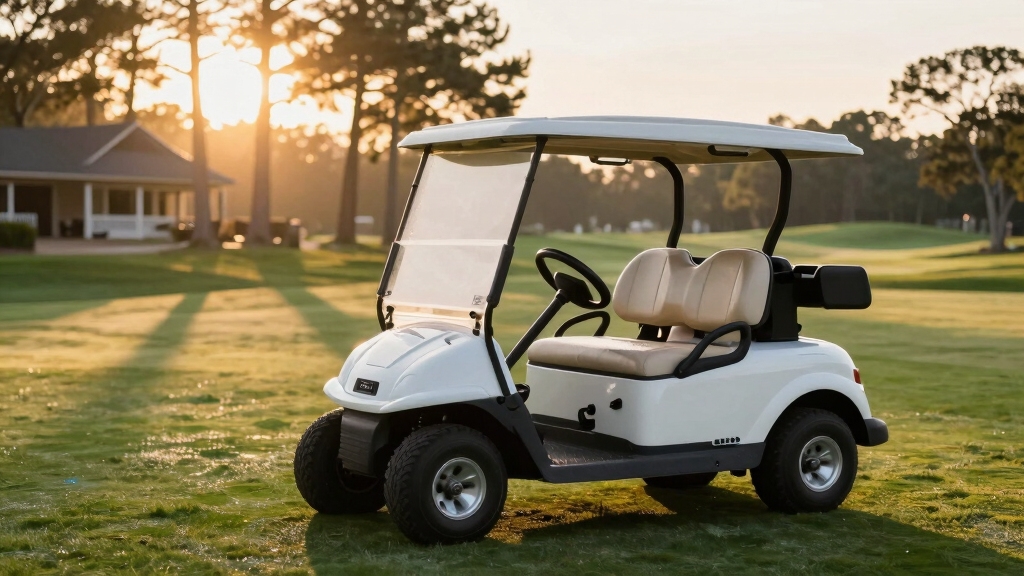
You’ll find the best golf cart deals in late winter to early spring when trade-ins swell inventory with nearly new and new models arrive. This gives you top selection and lower prices.
This period balances supply and demand, creating a buyer’s market with ample options and strong negotiation leverage. Spring trade-ins boost availability of lightly used carts, while fall and winter offer added discounts.
Understanding these seasonal trends and regional nuances can sharpen your buying strategy.
- Key Takeaways
- When Is the Best Season to Buy a Golf Cart for Price and Selection?
- How Golf Course Trade-Ins Boost Used Golf Cart Inventory?
- New Golf Cart Models: What to Expect Each Year?
- Why Late Winter and Early Spring Offer Great Golf Cart Deals?
- Why Spring Trade-Ins Offer the Best Golf Cart Selection?
- How Summer Demand Affects Golf Cart Prices and Availability?
- How Fall Discounts Can Save You Money on Golf Carts?
- What Makes Winter a Buyer’s Market for Golf Carts?
- Regional Differences: When to Buy Golf Carts in Your Area
- How to Negotiate the Best Price on a Golf Cart?
- Frequently Asked Questions
- Your Smart Guide to Buying a Golf Cart at the Right Time
Key Takeaways
- Late winter to early spring offers the best balance of price, selection, and new model availability due to high trade-in inventory.
- Summer has higher prices and low inventory, making it the least favorable time for buying a golf cart.
- Fall provides discounts and strong negotiation leverage as dealers reduce inventory before winter.
- Winter features significant price reductions and calmer shopping environments with less competition.
- Regional timing varies: Florida’s best deals occur September–December, while northern states peak from February to June.
When Is the Best Season to Buy a Golf Cart for Price and Selection?
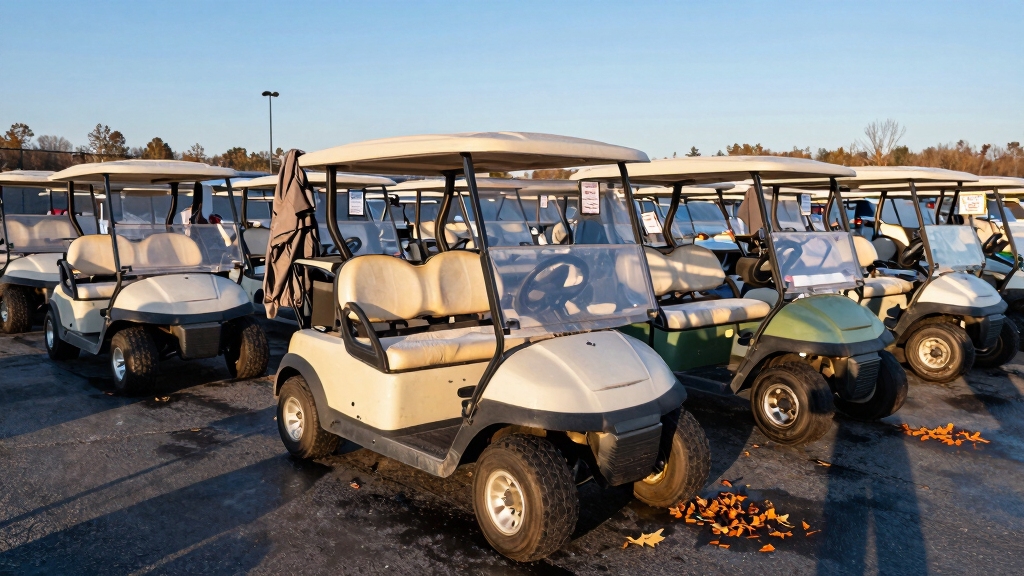
When you’re looking for the best combination of price and selection on a golf cart, late winter to early spring stands out as the ideal season.
Late winter to early spring offers the perfect balance of price and selection for golf cart buyers.
During this period, inventory swells thanks to trade-ins from snowbirds heading north and private sellers clearing out carts.
Dealerships capitalize on this influx by thoroughly inspecting and stocking used models, ensuring a diverse range for you to choose from.
Additionally, new models drop in winter and hit lots by early spring, giving you access to the latest features and configurations.
This timing lets you pick specific options like color and capacity without sacrificing variety or value.
Many buyers also take advantage of financing options available through dealerships to make their purchase more affordable during this prime buying season.
How Golf Course Trade-Ins Boost Used Golf Cart Inventory?
You’ll often see that golf course trade-ins really ramp up the used golf cart inventory during key times of the year, especially late winter and early spring.
It’s pretty interesting, right? This surge happens because owners are looking to upgrade their carts just before the busy playing season kicks in.
As a result, you end up with a great selection of well-maintained models available.
Knowing these seasonal trends can really help you out. If you plan your purchase around these times, you’re more likely to find the best selection and get a good deal.
Also, when hauling your new golf cart home, be sure to use adjustable tie-downs to secure it safely during transport.
Seasonal Trade-In Patterns
Because golf courses regularly update their fleets, seasonal trade-ins markedly boost the availability of used golf carts, especially in late winter and early spring.
During this period, you’ll find a surge of nearly-new trade-ins as owners upgrade before peak golfing season. This influx means better selection and competitive pricing.
Understanding these seasonal patterns helps you time your purchase strategically.
Choosing between 36v and 48v models during these trade-ins can influence performance and cost-effectiveness based on your terrain and power needs, making knowledge of voltage differences essential.
| Season | Key Trade-In Characteristics |
|---|---|
| Late Winter/Early Spring | High inventory from course trade-ins; snowbirds trade carts back north |
| Spring Trade-Ins | Abundance of lightly used carts; low prices due to excess stock |
| Summer Peak | Low inventory; high demand limits trade-ins |
| Fall Season | Post-peak discounts; dealerships reduce inventory |
Use this knowledge to buy when supply peaks and prices stabilize.
Impact on Inventory Levels
Although golf course trade-ins may seem routine, they play an essential role in boosting the inventory levels of used golf carts. This directly impacts availability and pricing for buyers like you.
When courses trade in older models, dealerships receive a steady influx of well-maintained, lightly used carts. This influx peaks in late winter and early spring, as snowbirds return carts and courses refresh fleets before the busy season.
You benefit from a broader selection and competitive pricing during these periods since dealerships stock up and inspect trade-ins thoroughly. Conversely, during summer’s peak demand, inventory dwindles, limiting your options and negotiating power.
Understanding this cycle empowers you to time your purchase strategically. This ensures access to quality used carts at favorable prices, thanks largely to these golf course trade-in patterns. Additionally, ensuring the golf cart’s battery health before purchase can save you from unexpected maintenance costs down the line.
New Golf Cart Models: What to Expect Each Year?
Most new golf cart models hit the market in late winter, right before spring rolls in.
This timing is great because it gives you early access to all the latest features and design improvements.
Manufacturers usually focus on some key updates each year, like enhanced battery life, better suspension, and a variety of customizable options.
Knowing when these new models are released can really help you plan your purchase and get your hands on the freshest innovations.
Choosing batteries with the right capacity and maintenance characteristics is essential for ensuring your golf cart performs reliably over time.
Annual Release Timing
When new golf cart models arrive each year, they typically hit the market during late winter or early spring. This aligns with the release schedules of most manufacturers.
This timing guarantees dealers have freshly inspected, stocked units ready for the upcoming golf season. You’ll find the highest inventory of both new and lightly used carts then, thanks to trade-ins from snowbirds and golf course fleet upgrades.
This period offers the best chance to select specific features like color or capacity. While fall and winter may provide better discounts, the annual release timing is ideal if you want the latest designs and technology.
Understanding this cycle lets you strategically plan your purchase to balance between innovation and price. Additionally, considering compatibility with push carts can enhance your overall golfing experience by ensuring seamless integration with your equipment.
Feature Updates Trends
New golf cart models don’t just arrive with fresh designs. They also bring a range of feature updates that can markedly enhance your experience on and off the course.
Each year, manufacturers focus on improving battery technology, adding smart connectivity features, and refining comfort elements like suspension and seating.
You can expect advancements in safety, such as better lighting and enhanced braking systems, alongside eco-friendly options that reduce emissions.
Infotainment systems and customizable controls are becoming standard, letting you tailor the cart to your preferences.
Timing your purchase around the new model release, typically in late winter or early spring, guarantees you get the latest innovations.
Staying informed about these trends helps you make a smarter investment, balancing cutting-edge features with your budget and practical needs.
Additionally, many new models now feature remote control functionality that improves convenience and reduces physical strain on the course.
Why Late Winter and Early Spring Offer Great Golf Cart Deals?
During late winter and early spring, golf cart buyers find themselves in a prime position to secure excellent deals.
This period boasts the highest inventory levels, fueled by golf course trade-ins and snowbirds returning north.
Dealerships take advantage by inspecting and stocking used models, ensuring quality while offering competitive prices.
Plus, new models released during winter hit the market by spring, giving you access to the latest features and designs.
You’ll also benefit from a wider selection, allowing you to choose specific colors or capacities that suit your needs.
This timing balances supply and demand effectively, creating an advantageous buyer’s market.
If you’re strategic, late winter to early spring is when you can confidently invest in a golf cart without compromising on choice or value.
Additionally, opting for a cart with durable materials and waterproof features can enhance your investment’s longevity on the course.
Why Spring Trade-Ins Offer the Best Golf Cart Selection?
Spring is a fantastic time to shop for golf carts! You’ll notice a ton of barely used trade-in carts on the market as owners look to upgrade just before the season kicks off. It’s like a treasure trove of options!
Plus, this timing gives you the chance to check out the first wave of new model releases. You can get your hands on the latest features and styles, which is always exciting.
Additionally, just like the Jones Classic Stand Bag is praised for its durable materials and reliable performance, choosing a golf cart with quality construction ensures long-term satisfaction.
Abundant Barely Used Carts
Spring trade-ins bring in a flood of barely used golf carts as owners upgrade ahead of the busy season.
This surge gives you access to an exceptional selection of carts that are practically new but priced lower.
These carts often come with minimal wear, recent maintenance, and updated features, making them a smart buy.
When you shop during spring trade-in season, consider these advantages:
- Extensive variety in models, colors, and capacities
- Competitive pricing due to surplus inventory
- Thorough inspections by dealerships guarantee quality
- Availability of gently used carts with near-new warranties
Additionally, many dealers offer maintenance and inspection services to ensure the longevity and reliability of trade-in carts.
First Pick New Releases
The influx of barely used carts during trade-in season sets the stage for buyers to access the freshest new releases before anyone else.
As spring arrives, dealerships showcase winter-released models, giving you priority access to the latest features, colors, and upgraded capacities.
This timing matters: owners often trade in carts to upgrade ahead of peak season, flooding the market with nearly new options at competitive prices.
You’ll avoid summer’s price hikes and limited inventory by acting in spring.
Dealerships also meticulously inspect and stock these trade-ins, ensuring quality and reliability.
How Summer Demand Affects Golf Cart Prices and Availability?
Because summer marks the peak golfing season, demand for golf carts surges sharply. This drives prices higher and shrinks inventory.
You’ll notice dealers face intense pressure to meet buyer interest, limiting your negotiation leverage. Understanding this dynamic helps you navigate purchase timing wisely.
Consider these key summer effects:
- Inventory drops quickly as buyers snap up available carts.
- Prices climb due to higher demand and limited supply.
- Dealers reduce discounting, focusing on quick sales.
- Occasional sales events occur but rarely offset overall price hikes.
If you buy during summer, expect fewer choices and higher costs. Being aware of these trends lets you decide if convenience outweighs expense.
Alternatively, waiting for less competitive seasons might suit you better.
How Fall Discounts Can Save You Money on Golf Carts?
After the summer rush drives up prices and tightens inventory, fall offers a welcome reprieve for golf cart buyers.
You’ll find dealerships keen to wind down their stock, creating an environment ripe for discounts and negotiation.
Demand softens after peak season, so sellers are motivated to move both new and used models at reduced prices.
This period allows you to capitalize on lower prices without sacrificing selection, as inventory remains sufficient compared to winter’s leaner options.
By shopping in fall, you avoid the heightened competition and premium pricing typical of summer.
Taking advantage of these seasonal market dynamics means you can secure a quality golf cart while benefiting from favorable terms.
This makes fall a strategic time to save money on your purchase.
What Makes Winter a Buyer’s Market for Golf Carts?
When golf courses slow down during winter, dealerships often lower prices to attract buyers like you. This seasonal dip in demand creates an ideal buyer’s market for golf carts.
You’ll benefit from:
1. Price Reductions
Low sales force dealerships to drop prices, giving you better deals.
2. Less Competition
Fewer buyers mean more negotiation leverage on both new and used models.
3. Calmer Shopping Environment
Reduced foot traffic allows you to explore options thoroughly without pressure.
4. Access to Older Models
You can find quality carts from previous years at significant discounts.
Regional Differences: When to Buy Golf Carts in Your Area
Although golf cart buying trends follow general seasonal patterns, regional climate and golfing culture considerably influence the best time to purchase in your area.
If you live in Florida, buying between September and December offers prime deals due to high trade-in turnover from snowbirds and dealers clearing inventory.
In contrast, the Southeast and Northern states see the best opportunities from February through June, aligning with early spring trade-ins and new model availability.
For California, Texas, and Arizona, golf carts sell year-round thanks to mild climates and steady demand.
Understanding these regional nuances helps you time your purchase strategically, ensuring access to the right inventory and competitive pricing.
Factoring in local conditions, such as when courses refresh fleets, gives you a distinct advantage in securing the ideal cart at the best price.
How to Negotiate the Best Price on a Golf Cart?
Mastering negotiation is essential to securing the best price on a golf cart, especially given fluctuating seasonal inventories and regional market dynamics.
Master negotiation skills are key to getting the best deal amid changing golf cart markets and seasonal shifts.
To negotiate effectively, you need a strategic approach:
- Research Market Trends: Know seasonal peaks and valleys to leverage timing, such as late winter or fall when dealers are motivated.
- Inspect Thoroughly: Identify any flaws or needed maintenance to justify price reductions.
- Leverage Inventory Levels: Use high inventory periods to push for discounts, especially on used models.
- Be Ready to Walk Away: Demonstrate willingness to leave if terms aren’t favorable, signaling you won’t overpay.
Combining market knowledge with assertive tactics positions you to negotiate confidently.
This ensures you pay the fairest price for your ideal golf cart.
Frequently Asked Questions
What Maintenance Costs Should I Expect With a Used Golf Cart?
You should expect maintenance costs for batteries, tires, brakes, and motor parts with a used golf cart.
Batteries often need replacement or reconditioning every few years, which can be pricey.
Tires wear out depending on use, and brakes require regular inspection and occasional pad changes.
Electrical components and the motor might need servicing or repairs.
Budget for routine tune-ups and potential part replacements to keep your cart running efficiently and safely.
Are Electric or Gas Golf Carts More Cost-Effective Long-Term?
Think of an electric golf cart as a sleek sailboat, gliding quietly using the wind: your electricity. A gas cart is a classic engine-powered car, loud and thirsty.
Long-term, electric carts cost less since they need minimal maintenance, no fuel, and have fewer moving parts. Gas carts demand regular oil changes, fuel costs, and engine upkeep, making them pricier over time.
You’ll save more with electric if you want efficiency and lower expenses.
How Do Warranties Typically Work for New and Used Golf Carts?
Warranties for new golf carts typically cover 1-5 years, including batteries, motor, and electronics.
This provides you with peace of mind.
Used carts often come with limited or no warranty.
It’s important to inspect them carefully or buy from reputable dealers offering short-term coverage.
Always read the fine print, as some parts like batteries may have separate warranties.
Extended warranties are sometimes available, allowing you to protect your investment longer.
What Safety Features Are Important When Buying a Golf Cart?
When buying a golf cart, you should prioritize safety features like seat belts, reliable brakes, and a sturdy frame.
Look for carts with headlights, taillights, and turn signals if you plan to drive on roads.
Stability control and speed governors prevent accidents by controlling speed.
Also, consider carts with a horn and rearview mirrors for better awareness.
These features help protect you and passengers, ensuring safer rides on and off the course.
Can Golf Carts Be Customized After Purchase?
Yes, you can customize golf carts after purchase extensively. You’ll find options to upgrade seating, add lift kits, install lighting, or enhance performance with better batteries or motors.
Custom paint jobs and accessories like GPS or sound systems are popular too. Make sure you choose modifications that comply with local regulations and won’t void warranties.
Customizing lets you tailor your cart to fit your style, comfort, and functional needs perfectly.
Your Smart Guide to Buying a Golf Cart at the Right Time
So, when’s the best time to buy a golf cart? It depends on your priorities, whether you want the best price, selection, or latest models. Late winter and early spring often offer unbeatable deals and fresh trade-ins.
Fall brings enticing discounts. Knowing regional trends and how to negotiate can make a huge difference. With this insight, you’re well-equipped to score the perfect golf cart at the right time and price.
Ready to make your move?