
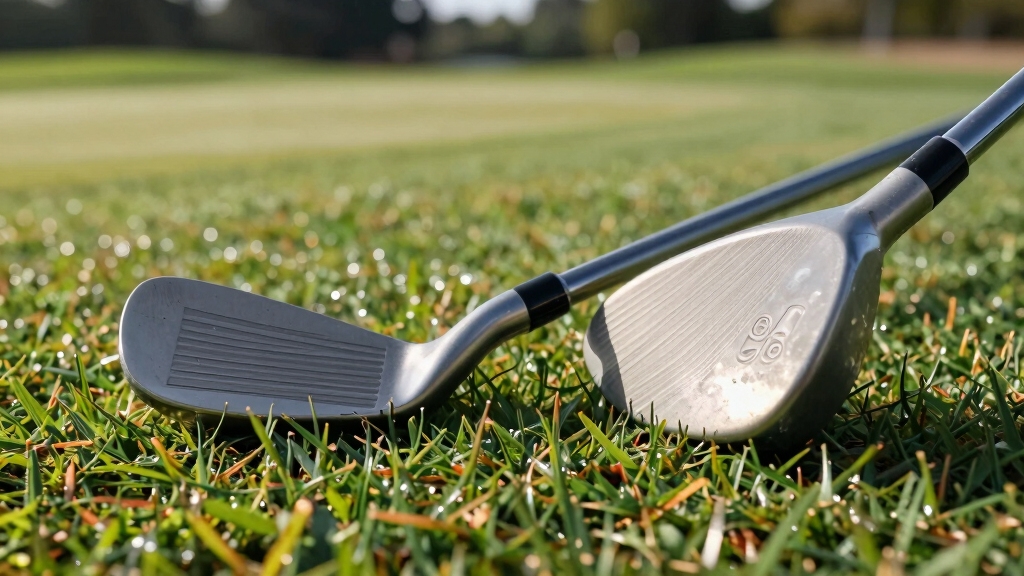
You’ll find hybrids combine features of irons and fairway woods with smaller heads, shorter shafts, and a lower, deeper center of gravity.
They offer higher launch, more forgiveness, and better control from rough or poor lies.
Fairway woods have larger heads and longer shafts, producing more distance with a penetrating trajectory best from clean fairways or tees.
Your choice depends on swing speed, lie conditions, and desired ball flight.
Explore how loft, shaft length, and course situations sway which club suits your play.
- Key Takeaways
- What’s Different About Hybrids and Fairway Woods?
- Which Club Flies Farther and Higher?
- Which Club Is Easier to Hit and More Forgiving?
- When Should You Choose a Hybrid or Fairway Wood?
- How Loft and Shaft Length Affect Your Shots?
- Playing From Rough, Fairway, or Bunkers: Which Club Works Best?
- Which Clubs Suit Your Handicap and Swing Speed?
- How to Mix Hybrids and Fairway Woods for Your Game?
- Frequently Asked Questions
- Can Hybrids Improve My Short Game Around the Greens?
- How Do Weather Conditions Affect Hybrid and Fairway Wood Performance?
- Are Hybrids or Fairway Woods Better for Beginners Learning Golf?
- What Maintenance Differences Exist Between Hybrids and Fairway Woods?
- How Does Shaft Flex Influence Shots With Hybrids Versus Fairway Woods?
- Build the Perfect Set: Mixing Hybrid Irons and Fairway Woods
Key Takeaways
- Hybrids have smaller heads and shorter shafts than fairway woods, offering better control and easier play from rough or uneven lies.
- Fairway woods feature larger heads and longer shafts, maximizing distance and stability on clean fairway and tee shots.
- Hybrids produce higher launch angles and more spin for softer landings and improved forgiveness, ideal for slower swing speeds.
- Fairway woods deliver lower, penetrating trajectories with more roll, benefiting players with faster swing speeds seeking maximum carry.
- Hybrids excel in versatility from difficult lies, while fairway woods perform best on tight, firm turf for longer, more precise shots.
What’s Different About Hybrids and Fairway Woods?
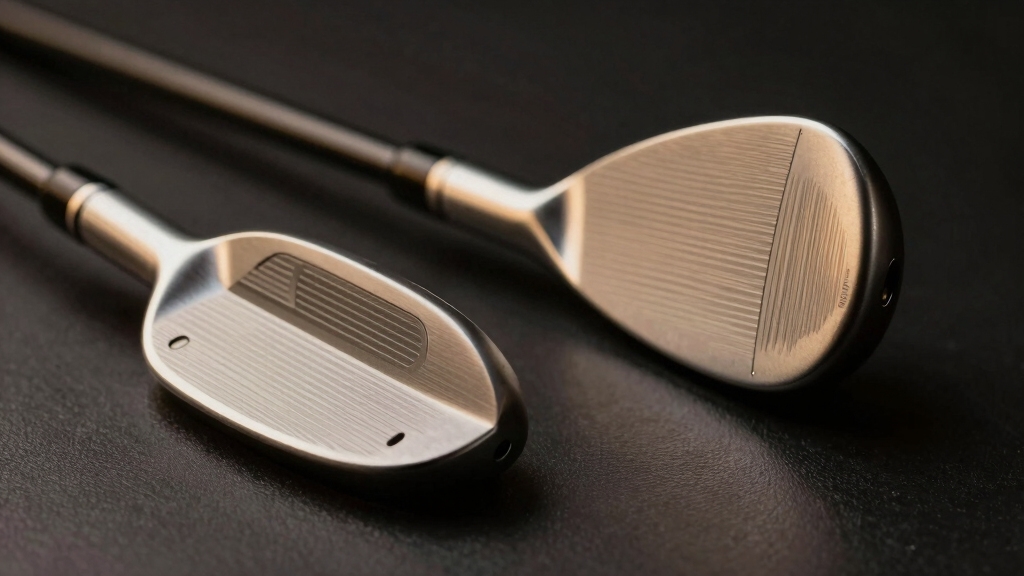
Although hybrids and fairway woods both serve to bridge the gap between long irons and drivers, their construction differs substantially to optimize performance for specific shots.
Fairway woods have larger heads with broader soles, positioning the center of gravity (CG) further from the face to enhance stability.
In contrast, hybrids feature smaller heads that are larger than irons but smaller than fairway woods, with shorter shafts for improved control.
Their CG sits deeper and lower, increasing the moment of inertia (MOI) and promoting forgiveness.
This design difference means hybrids offer higher launch angles and better playability from rough or uneven lies.
Fairway woods excel from fairways and tees.
Understanding these construction nuances helps you select the right club for your shot, balancing distance, forgiveness, and versatility effectively.
Additionally, hybrids generally produce a higher launch angle and spin rate compared to fairway woods, aiding in shots that require softer landings and increased control.
Which Club Flies Farther and Higher?
When you take a look at hybrids and fairway woods, you’ll see that fairway woods usually give you more distance. This is mainly because they’ve larger heads and longer shafts.
They really help you cover ground!
On the other hand, hybrids have a knack for launching the ball higher. They create a more arcing trajectory, which means the ball tends to land softly.
This is great for control, especially when you’re trying to place your shots just right.
Among hybrids, the 3 hybrid delivers more distance due to its lower loft and longer shaft compared to the 4 hybrid, offering a lower, more penetrating ball flight.
Distance Comparison Analysis
Because fairway woods have larger heads and broader soles, they generally fly farther than hybrids, delivering maximum distance especially from good lies or the tee. Their center of gravity sits further back, enhancing stability and allowing higher clubhead speeds, up to 101.5 mph with a 5-wood, resulting in longer carry and roll.
Hybrids, with shorter shafts and smaller heads, typically generate lower clubhead speeds but offer more control and a higher launch. While hybrids usually don’t match the raw distance of fairway woods, they provide a softer landing and better playability from varied lies.
Ultimately, if you prioritize maximum distance, fairway woods outperform hybrids. However, hybrids excel in versatility and forgiveness, balancing distance with shot precision from challenging conditions. Additionally, fairway woods often incorporate forgiving design elements such as low and deep center of gravity and wide sweet spots that help high handicappers improve their game.
Trajectory and Launch
While fairway woods tend to fly farther due to their larger heads and lower center of gravity, hybrids launch the ball higher with a more pronounced arc and softer landing.
The fairway wood’s design, with a broad sole and center of gravity positioned further from the face, promotes a lower, penetrating trajectory that maximizes roll upon landing.
In contrast, hybrids feature a deeper center of gravity and shorter shafts, which elevate launch angles and increase spin rates, resulting in a higher ball flight.
You’ll notice fairway woods deliver consistent distance from good lies or tee shots, while hybrids excel in versatility, producing arcing shots ideal for rough or uneven lies.
Understanding these trajectory differences helps you select the best club for desired ball flight and course conditions.
Additionally, hybrids’ shorter shafts and design make them easier to control from rough and difficult lies, offering greater shot accuracy compared to fairway woods.
Which Club Is Easier to Hit and More Forgiving?
Anyone looking for a forgiving club will find hybrids easier to hit than fairway woods due to their larger sweet spot and shorter shaft length.
The hybrid’s design features a deeper center of gravity and higher moment of inertia (MOI), which stabilizes off-center hits and enhances forgiveness.
In contrast, fairway woods have longer shafts and larger heads with the center of gravity positioned further from the face, making them less stable on mishits and harder to control.
You’ll also notice hybrids cut through rough more efficiently, improving playability from various lies.
This combination of design factors means you’ll experience better overall dispersion patterns and consistency with hybrids, especially if you have a slower swing speed or higher handicap.
Fairway woods demand more precision and are less forgiving for the average player.
Additionally, hybrids often incorporate perimeter weighting and low center of gravity technology, which further boosts forgiveness and accuracy for high handicappers.
When Should You Choose a Hybrid or Fairway Wood?
When you’re deciding between a hybrid and a fairway wood, it’s really important to think about your swing speed. You see, hybrids tend to work better for those with slower swing speeds because they help you get a higher launch and offer more forgiveness on your shots.
And let’s not forget about the course conditions! If you’re playing on rough or uneven lies, hybrids shine in those situations thanks to their deeper center of gravity.
On the other hand, if you’re on a clean fairway or tee, you might find that fairway woods give you that extra distance and control you’re looking for.
Choosing the right shaft material and flex, such as a graphite hybrid shaft, can further optimize your performance depending on your swing characteristics.
Swing Speed Considerations
Because swing speed directly influences ball speed and trajectory, selecting between a hybrid and a fairway wood hinges on how efficiently you generate clubhead velocity.
If your swing speed is moderate to slow, hybrids typically offer better ball striking due to shorter shafts and higher moment of inertia. This results in higher launch angles and more forgiveness.
Conversely, if you generate faster swing speeds, generally above 95 mph, you’ll benefit from fairway woods. They maximize distance with their larger clubheads and lower center of gravity positioning.
Fairway woods demand precise timing and control due to longer shafts but reward with a penetrating trajectory and greater roll.
Ultimately, matching your club selection to your swing speed optimizes distance, accuracy, and shot consistency. This ensures you capitalize on your mechanical strengths during play.
Additionally, understanding your swing speed can guide you to choose the appropriate shaft flex, which significantly affects control and shot performance with both hybrids and fairway woods.
Course Conditions Impact
Swing speed plays a vital role in club choice, but evaluating course conditions can further refine whether a hybrid or fairway wood suits your needs.
When you’re facing thick rough or uneven lies, hybrids provide superior turf interaction due to their deeper center of gravity and shorter shafts. This enables cleaner contact and higher launch angles.
Conversely, if the fairways are firm and you require maximum distance with a penetrating trajectory, fairway woods excel thanks to their larger heads and lower center of gravity. This promotes stability and roll.
Use hybrids from fairway bunkers or poor lies for versatility, while fairway woods perform best off tight lies or tee shots.
Understanding these conditions helps you select the club that optimizes control, forgiveness, and distance for the specific terrain you’re traversing.
Additionally, the 5 wood typically carries 10-15 yards farther than the 3 hybrid, offering maximum distance for long-range shots.
How Loft and Shaft Length Affect Your Shots?
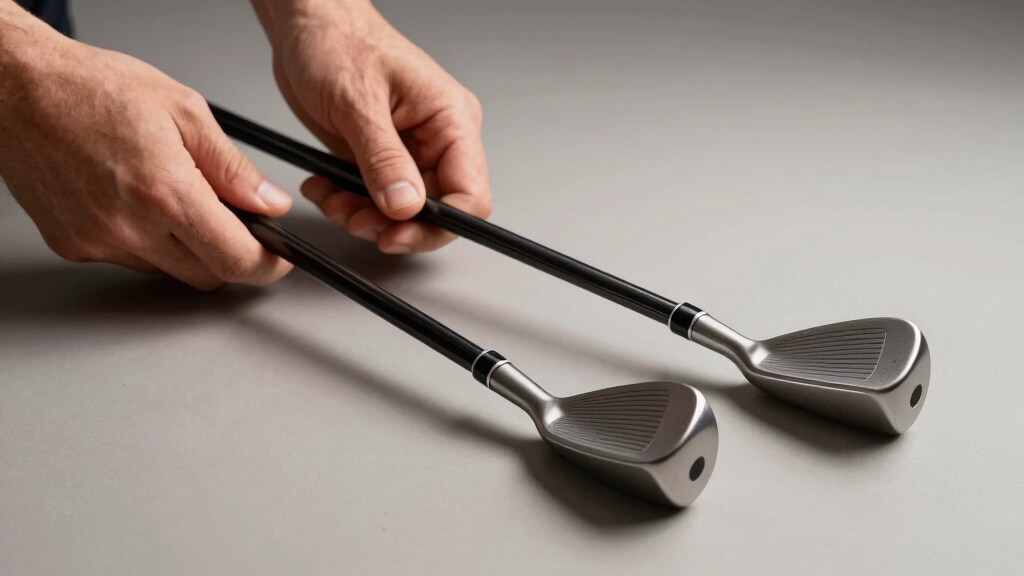
Understanding how loft and shaft length influence your shots is key to optimizing distance, trajectory, and control.
Hybrids generally feature higher lofts and shorter shafts compared to fairway woods, which affects ball flight and shot accuracy.
Hybrids combine higher lofts and shorter shafts for improved accuracy and higher ball flight compared to fairway woods.
The increased loft on hybrids produces a higher launch angle and softer landing, ideal for precision and versatility.
Meanwhile, the longer shaft of fairway woods generates greater clubhead speed, translating to longer distances but lower trajectories with more roll.
However, longer shafts can reduce control and increase dispersion.
By selecting clubs with appropriate loft and shaft lengths, you can tailor your shot shape and distance to your swing speed and playing conditions.
Ultimately, hybrids offer more forgiveness and higher launch, while fairway woods maximize distance with a penetrating ball flight.
Shaft weight and flex play a crucial role in balancing control and power, with options like stiff flex graphite shafts helping manage trajectory and stability.
Playing From Rough, Fairway, or Bunkers: Which Club Works Best?
When you face shots from rough, fairway, or bunkers, choosing the right club markedly impacts your success. Hybrids excel in versatility, offering higher launch and easier contact from challenging lies.
Fairway woods provide maximum distance but perform best from clean fairways or tee shots.
Consider these points when selecting your club:
Rough: Hybrids cut through thick grass efficiently due to their deeper center of gravity and smaller head, improving control and trajectory.
Fairway: Fairway woods deliver longer carries and roll, ideal for open lies with less obstruction.
Bunkers: Hybrids’ higher loft and softer landing allow better control out of fairway bunkers compared to fairway woods, which may struggle with steep lies.
Selecting between hybrids and fairway woods depends on the lie and desired shot shape. Understanding how ball position and clubface adjustments influence shot trajectory can further optimize your play.
Which Clubs Suit Your Handicap and Swing Speed?
How do your handicap and swing speed influence the choice between hybrids and fairway woods?
If you have a higher handicap and slower swing speed, hybrids typically suit you better due to their shorter shafts and higher moment of inertia. This offers increased forgiveness and easier launch.
Hybrids replace long irons or fairway woods of similar lofts, providing better control from various lies. Conversely, if you’re a mid- to low-handicap player with faster swing speeds, fairway woods deliver maximum distance and lower trajectory, ideal for aggressive play.
Hybrids offer control from diverse lies, while fairway woods suit faster swings with distance and lower ball flight.
Single-digit handicappers often mix clubs based on precise fittings, balancing hybrids’ versatility with fairway woods’ stability. Your swing speed, combined with skill level, dictates whether forgiveness or distance takes priority in your club selection strategy.
How to Mix Hybrids and Fairway Woods for Your Game?
Balancing hybrids and fairway woods in your bag requires analyzing your typical course conditions, shot preferences, and swing characteristics.
Start by identifying where you need forgiveness versus distance. Hybrids excel in rough and poor lies, offering higher launch and control. Fairway woods deliver maximum distance from fairways or tee shots with lower trajectories and roll.
Consider these factors when mixing clubs:
Course conditions: Use hybrids for thick rough and fairway bunkers. Fairway woods suit clean lies and longer fairways.
Swing speed: Slower swings benefit from hybrids’ forgiveness. Faster swings can maximize fairway wood distance.
Shot versatility: Hybrids provide higher launch and softer landings. Fairway woods offer penetrating flight and roll.
Tailor your set to optimize performance, blending forgiveness and distance effectively.
Frequently Asked Questions
Can Hybrids Improve My Short Game Around the Greens?
Yes, hybrids can improve your short game around the greens.
Their design with a deeper center of gravity and higher moment of inertia helps you launch the ball higher with softer landings.
This offers better control on delicate shots.
They cut through rough and fairway bunkers more easily than fairway woods, making them versatile for varied lies.
Plus, their larger sweet spot and forgiveness help you execute more consistent, accurate shots close to the green.
How Do Weather Conditions Affect Hybrid and Fairway Wood Performance?
Curiously, weather conditions impact hybrids and fairway woods differently due to their design.
In windy conditions, you’ll find hybrids easier to control because of their higher launch and softer landing, reducing wind interference.
Fairway woods’ lower trajectory can be more affected by wind, making shots less predictable.
Rain or wet turf favors hybrids since their deeper center of gravity and shorter shaft help you maintain stability and cleaner contact compared to fairway woods.
Are Hybrids or Fairway Woods Better for Beginners Learning Golf?
You’ll find hybrids better for beginners because they’re more forgiving with a bigger sweet spot and easier to hit than fairway woods.
Their shorter shafts and higher launch help you get the ball airborne consistently, even from rough or uneven lies.
Fairway woods demand better control due to longer shafts and lower trajectory, making them tougher for novices.
What Maintenance Differences Exist Between Hybrids and Fairway Woods?
You’ll find hybrids need more frequent cleaning due to their smaller heads trapping dirt and grass more easily, especially after shots from rough or bunkers.
Fairway woods, with broader soles, can accumulate debris under the clubface, requiring thorough sole cleaning to maintain turf interaction.
Both need regular shaft checks for wear, but hybrids’ shorter shafts are less prone to bending.
Always inspect clubfaces for scratches and store both properly to avoid damage.
How Does Shaft Flex Influence Shots With Hybrids Versus Fairway Woods?
Shaft flex impacts your shot control and distance differently with hybrids versus fairway woods.
With hybrids’ shorter shafts, a stiffer flex gives you more accuracy and a tighter dispersion, ideal for precise approaches.
Fairway woods, having longer shafts, benefit from a slightly more flexible shaft to maximize clubhead speed and distance.
Too stiff a shaft in woods reduces swing tempo, while too soft in hybrids can hurt control, so match flex to your swing speed.
Build the Perfect Set: Mixing Hybrid Irons and Fairway Woods
Choosing between hybrids and fairway woods is like selecting the right tool for a precision task.
Hybrids, with their compact heads and higher lofts, act as reliable bridges over tricky lies, offering control and forgiveness.
Fairway woods, longer and lofted lower, symbolize power and distance on open fairways.
By understanding their distinct roles and technical nuances, you’ll craft a balanced arsenal that adapts to every shot, elevating your game with strategic precision.